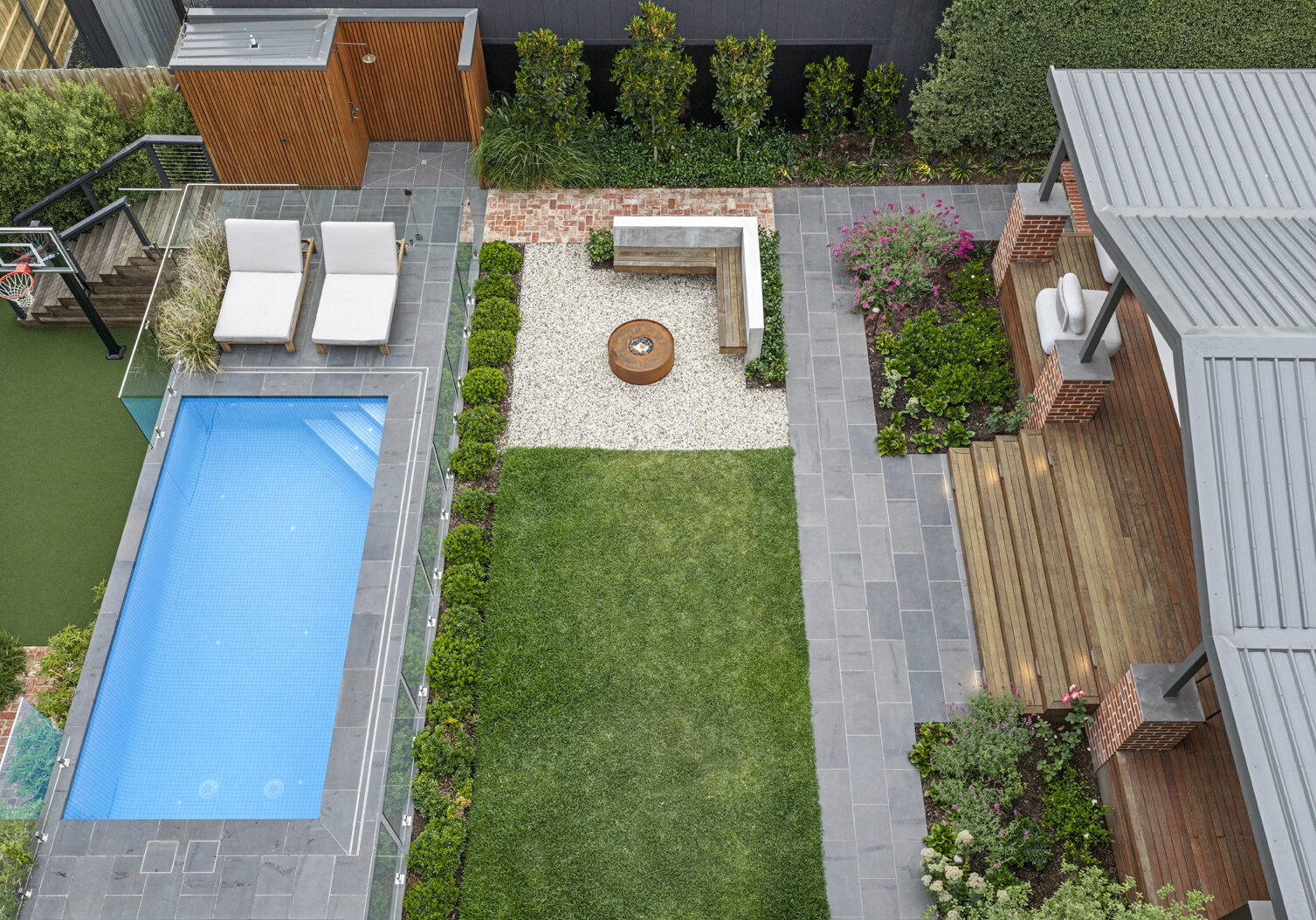

Residential Landscaping Ideas May 23, 2026
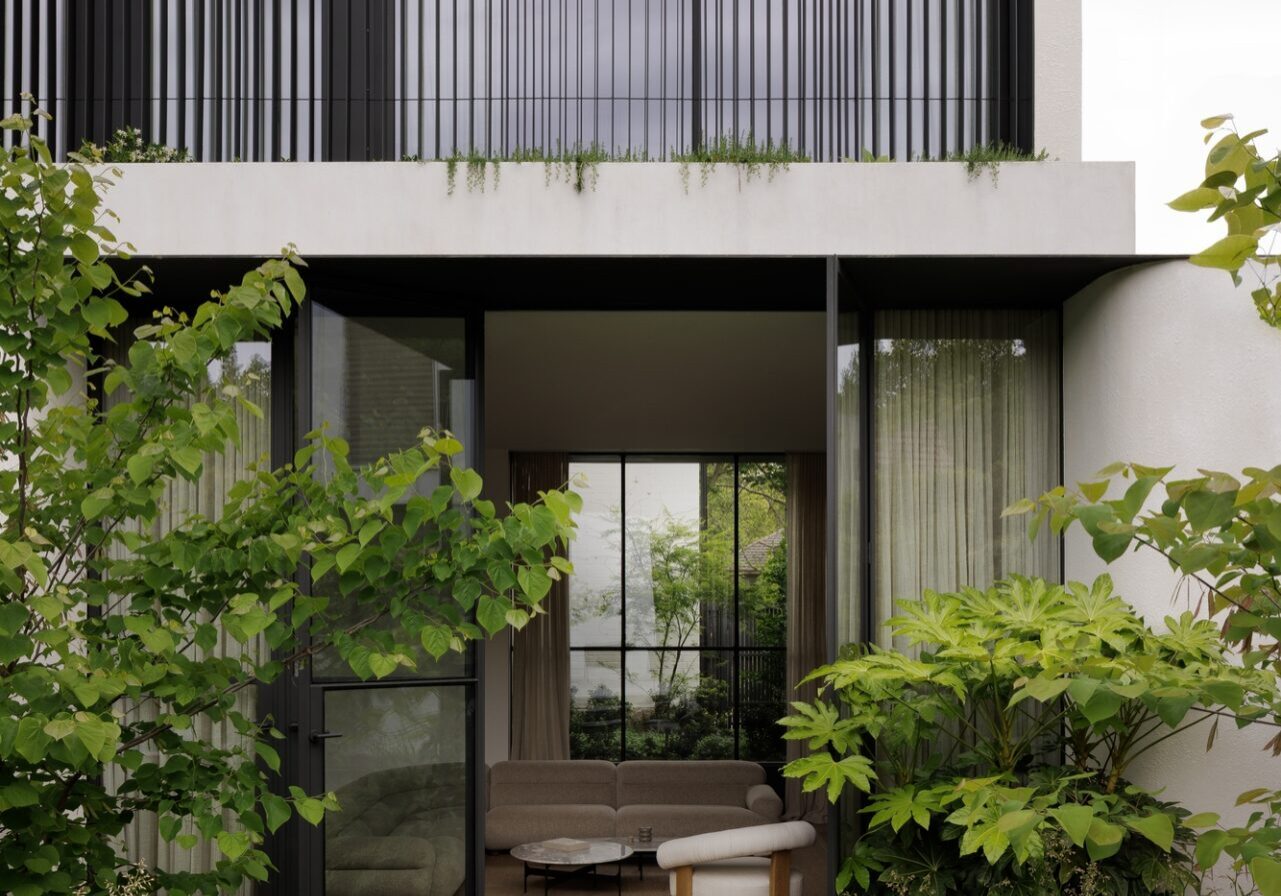
Transforming your home’s exterior can be as simple as reimagining your landscape. Residential landscaping offers endless possibilities to enhance curb appeal.
From lush gardens to structured hardscapes, the right design can elevate your home’s appearance. Thoughtful garden design not only beautifies but also adds value to your property.
Landscape architecture blends creativity with functionality, crafting outdoor spaces that captivate and serve. Whether you’re a seasoned gardener or a novice, there’s a landscape idea for everyone.
Explore backyard design concepts that extend your living space outdoors. Discover how residential landscaping can transform your home into a stunning oasis.
The Importance of Residential Landscaping for Curb Appeal
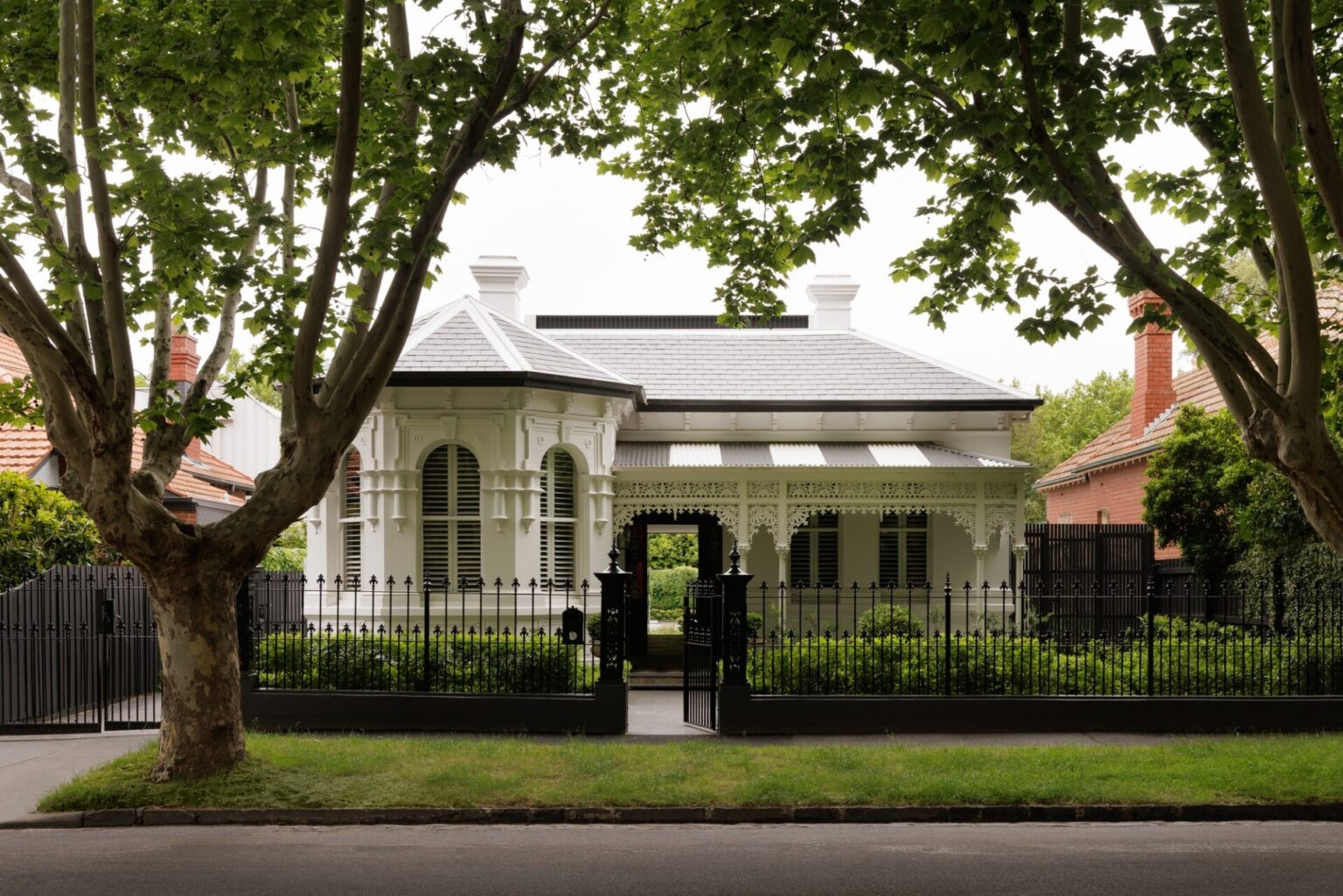
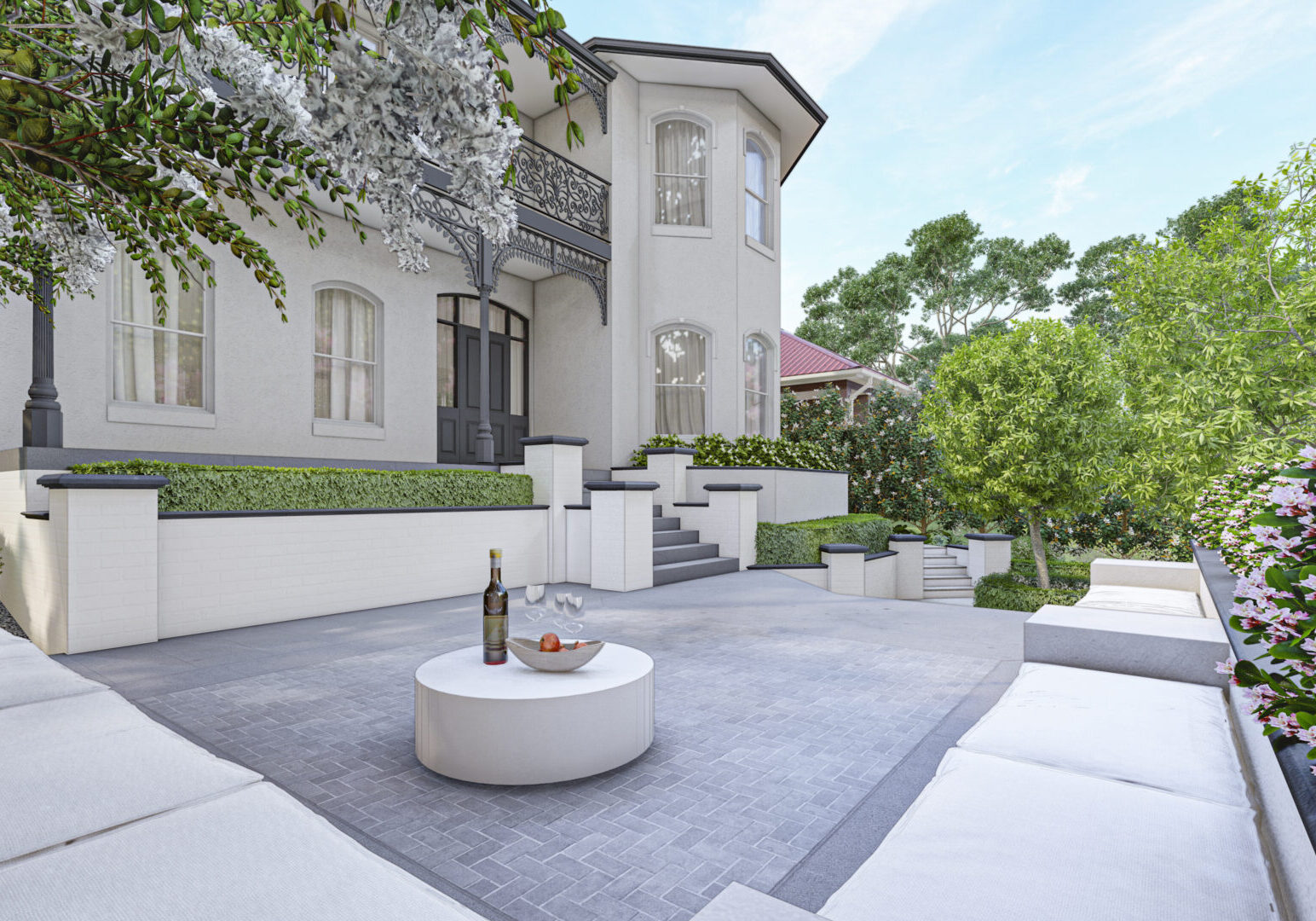
Residential landscaping plays a crucial role in enhancing a home’s first impression. It creates a welcoming and aesthetically pleasing entryway. A well-landscaped yard reflects care and attention to detail.
Landscaping isn’t just about looks; it boosts property value too. A beautifully designed landscape can increase the home’s market value significantly. Potential buyers are often drawn to properties with attractive landscapes.
Effective landscaping involves balancing aesthetics with functionality. It incorporates elements like paths, gardens, and lighting to enhance usability. A thoughtful blend of these elements can transform any space into an inviting outdoor haven.
Key benefits of residential landscaping include:
- Improved aesthetic appeal and property value
- Sustainable and eco-friendly outdoor solutions
- Creation of functional outdoor living spaces
Through careful planning and design, homeowners can create landscapes that are both beautiful and practical, ensuring lasting curb appeal.
Planning Your Landscape: Key Principles and Considerations
Successful residential landscaping starts with a well-considered plan. Begin by evaluating your yard’s unique conditions, such as soil type and climate. This foundational understanding guides plant selection and design choices.
Another vital consideration is the landscape’s purpose. Determine if you need areas for play, dining, or gardening. Defining these functions ensures all spaces serve a meaningful role in your design.
Focus on harmony and balance when designing your landscape. Integrate varied textures, colors, and heights to create visual interest. Strive to maintain symmetry and balance for a cohesive and inviting look.
Keep in mind these essential planning principles:
- Assess soil and climate conditions
- Define the primary purpose of each outdoor space
- Incorporate a variety of plant types and materials
A well-planned landscape considers the future as well. Think about growth and maintenance needs to keep your garden thriving. Planning ahead helps ensure that the landscape stays beautiful for years to come.
Creative Front Yard Landscape Ideas
Your front yard sets the tone for your home’s exterior. First impressions matter, so consider adding elements that enhance visual appeal. Simple yet effective changes can elevate the entrance’s allure.
Colorful planting along pathways brightens the space. Use a mix of perennials and annuals for year-round color. A bordered path guides guests elegantly to the front door.
Add dimension with vertical elements like trellises. These can support climbing plants, providing texture and height. Vertical gardens are perfect for small spaces, maximizing aesthetics without needing extra room.
Consider these creative front yard ideas:
- Vibrant flowerbeds lining entry pathways
- Vertical gardening solutions for limited space
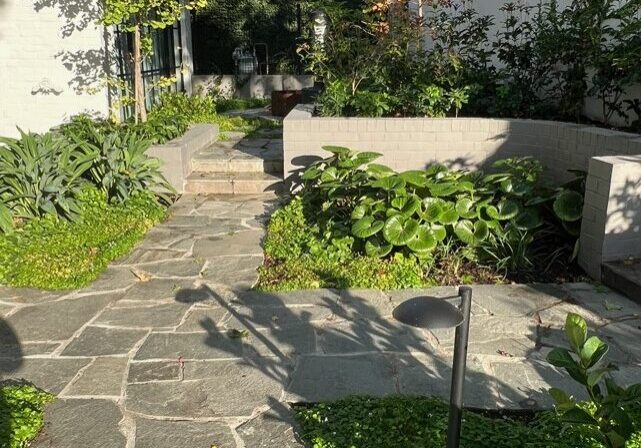
- Decorative stone or gravel paths
Incorporate lighting to highlight key features and increase safety. Well-placed lights can draw attention to beautiful trees or shrubs. This not only enhances the yard’s beauty but also ensures a welcoming glow after dark.
Creating a well-designed front yard doesn’t require a large budget. With thoughtful plant selection and creative elements, your home’s curb appeal will significantly improve.
Inspiring Backyard Design Concepts
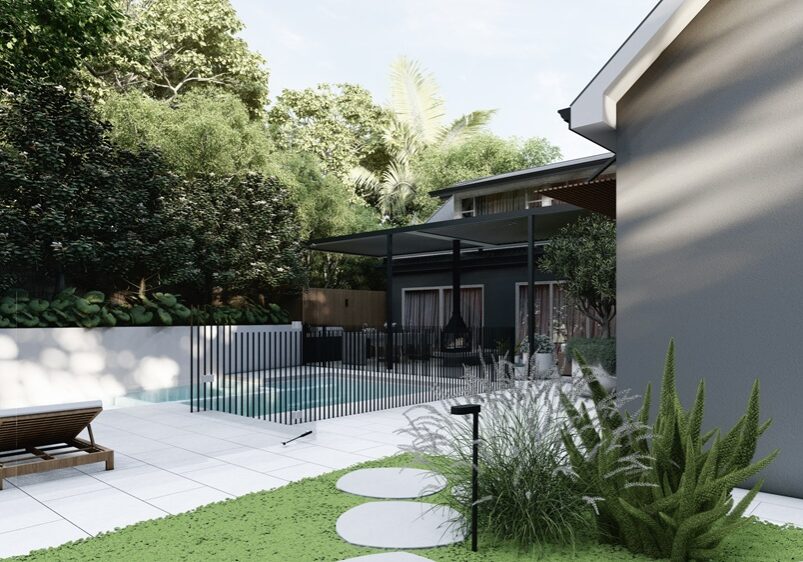
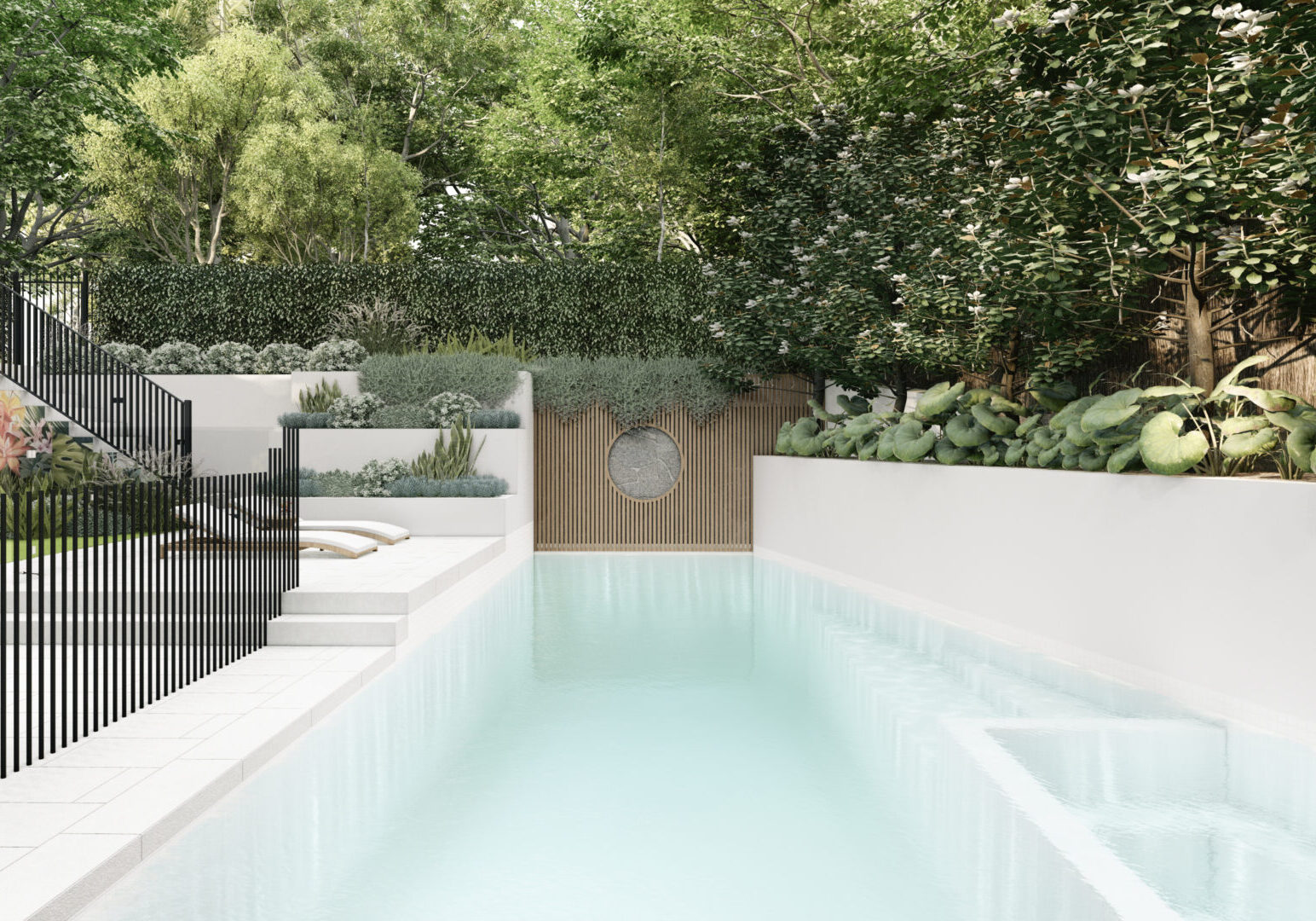
The backyard is a versatile canvas for creativity and relaxation. Transform it into an outdoor oasis with thoughtful design elements. This enhances both beauty and function.
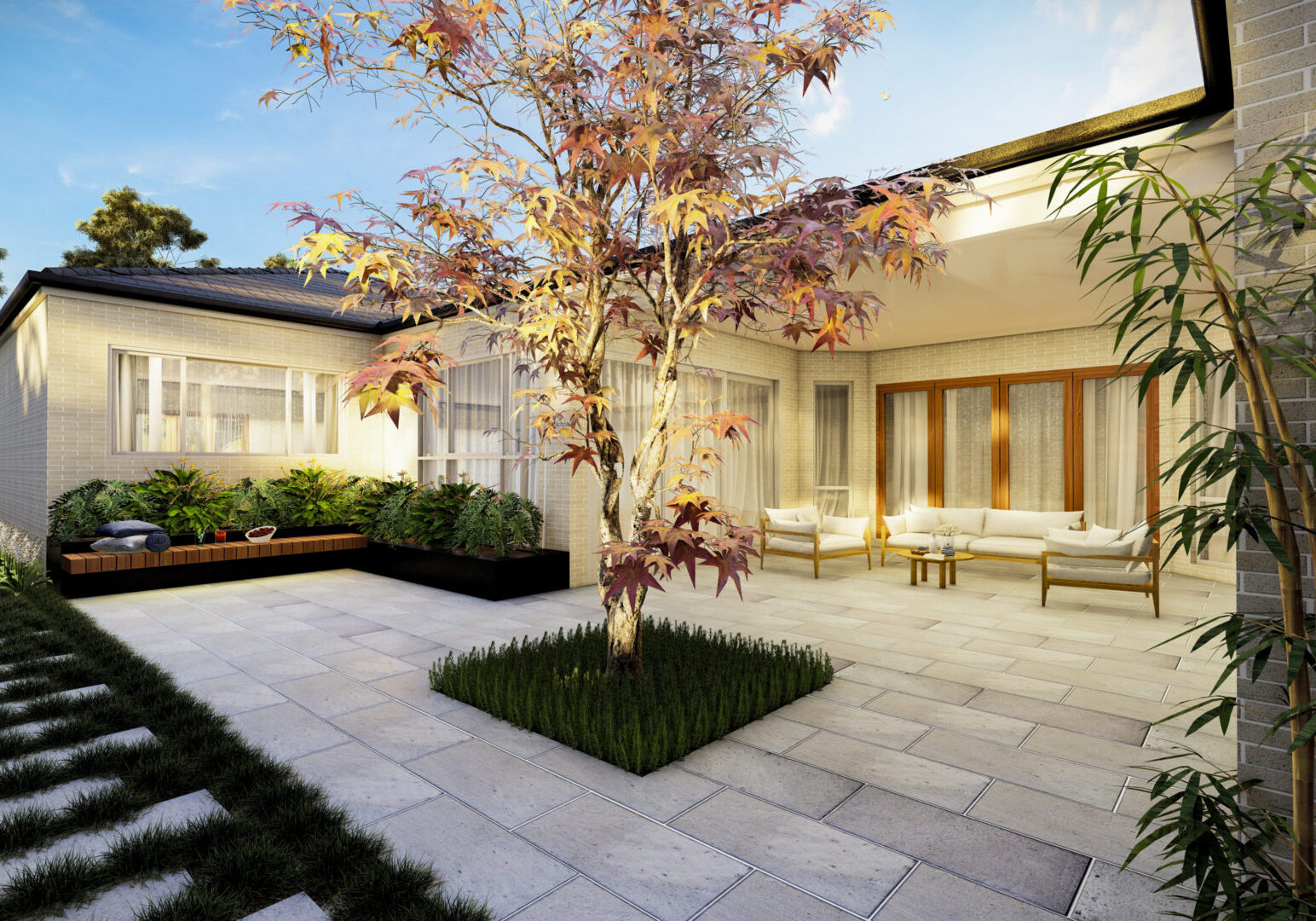
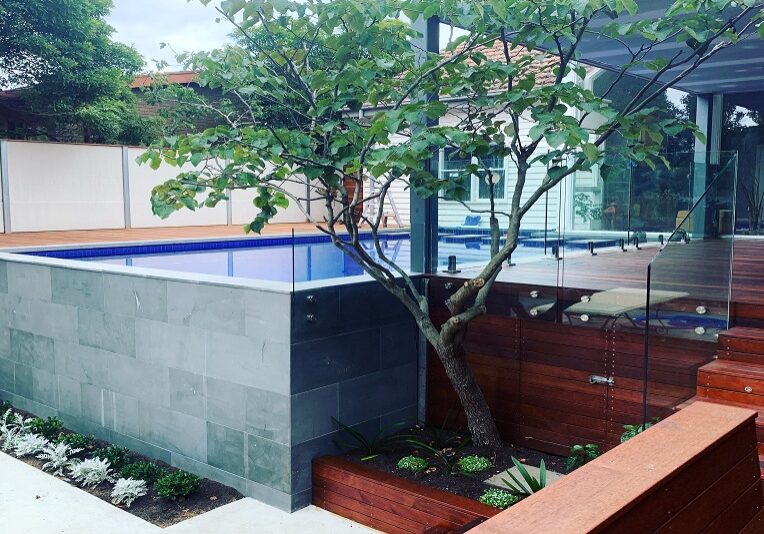
Patios are essential for outdoor living. They provide a space to entertain or relax. Consider paving stones or wooden decks for a solid foundation.
Incorporate outdoor furniture to create a comfortable seating area. Choose weather-resistant materials for durability. A well-placed table can serve as the focal point for gatherings.
Elevate your backyard with these inspiring concepts:
- Install a fire pit or outdoor fireplace
- Include a water feature, like a pond or fountain
- Add a mix of seating options for comfort
Explore the use of pergolas for shaded areas. They add architectural interest and make any space feel inviting. Train climbing plants to grow over them for added charm.
For a more intimate setting, use hedges or screens. These create secluded retreats within the backyard. Design pathways to guide exploration, enhancing the sense of wonder and discovery.
With a clear vision, your backyard can become an enchanting escape. From functional structures to lush greenery, the possibilities are endless.
Garden Design: Plant Selection and Layout Tips
Crafting a stunning garden begins with selecting the right plants. Consider the climate and soil type. Native plants often require less maintenance and thrive without much effort.
Design your garden for visual appeal. Vary plant heights to create layers and depth. Use taller plants at the back and shorter ones in front.
Color plays a crucial role in garden design. Choose complementary colors for a harmonious look. Balance bold hues with soft tones to maintain visual interest.
Here are some layout tips to enhance your garden design:
- Use curves rather than straight lines for natural flow
- Incorporate focal points like sculptures or water features
- Mix textures for added depth and interest
A successful garden layout integrates function and aesthetics. Ensure pathways allow easy access for maintenance. Avoid overcrowding, which can hinder plant growth and air circulation.
By choosing plants wisely and planning a thoughtful layout, your garden can become a vibrant haven. Integrating nature and design elevates any outdoor space.
Hardscaping and Outdoor Structures
Hardscaping forms the backbone of any landscape design. It provides structure and functionality. Elements like paths, patios, and retaining walls create an organized and durable outdoor space.
Outdoor structures add both charm and utility. Pergolas offer shade, while decks extend living areas. Features such as arbors and trellises introduce vertical interest.
Consider incorporating the following in your hardscape design:
- Stone or brick pathways for durability
- Retaining walls to manage slopes
- Outdoor kitchen or fire pits for entertaining
Hardscaping requires careful planning to ensure harmony with the environment. Choosing materials that match the home’s style is crucial. Natural stones and recycled materials often blend well with gardens.
Integrating hardscape elements enhances the usability and beauty of a landscape. Thoughtful design ensures these structures complement and elevate the overall aesthetic.
Water Features and Lighting Design
Water features can transform a garden into a serene escape. The gentle sound of a fountain or the shimmer of a pond brings tranquility. These elements also attract wildlife, adding life and movement to the space.
Lighting design extends the enjoyment of outdoor spaces. Lights highlight architectural and landscape features, enhancing safety and beauty. Warm lights create inviting atmospheres during evenings.
Consider these water and lighting ideas:
- Small fountains for soothing sound
- LED path lights for safety
- Spotlights for trees and key features
Integrating water elements and thoughtful lighting enhances ambiance and functionality. Strategically placed lights and water features create a captivating outdoor environment. These additions can truly elevate the property’s curb appeal.
Sustainable and Low-Maintenance Landscaping Solutions
Sustainable landscaping benefits both the environment and homeowners. By using native plants, you can reduce water usage and maintenance time. Native species are adapted to local climates, making them hardy and self-sufficient.
Xeriscaping is ideal for dry areas. It focuses on water-saving techniques by using drought-tolerant plants. Mulching helps in retaining soil moisture and suppressing weeds, further reducing the need for frequent watering.
Consider these sustainable solutions:
- Native plants for low upkeep
- Mulch to conserve moisture
- Drought-resistant species for dry regions
Embracing sustainability not only lowers upkeep and costs but also supports local ecosystems. Environmentally friendly practices create attractive, enduring landscapes that harmonize with nature.
DIY Landscaping Projects for Homeowners
DIY landscaping offers an opportunity for creativity and personalization. Tackle small projects that enhance your outdoor space without breaking the bank. Simple tasks can significantly boost curb appeal.
Starting with a plan makes the process smoother. Sketch your ideas and decide on areas for improvement. Keep in mind low-maintenance solutions that suit your time and skills.
Here are some easy DIY projects:
- Build a simple rock garden
- Create a vibrant container garden
- Install path lights for ambiance
These projects let homeowners enjoy cost-effective, fun, and rewarding landscaping adventures.
Bringing It All Together: Creating a Cohesive Landscape
Achieving a cohesive landscape requires thoughtful planning and integration of various elements. Consistency in style, color, and materials can enhance unity throughout your property. A well-thought-out design ensures all components work harmoniously together.
Consider these elements to unify your landscape:
- Use a consistent color palette across plants and structures
- Match hardscaping materials with your home’s facade
- Choose plants that complement the architectural style
By following these guidelines, your outdoor spaces can transform into a seamless extension of your home. A cohesive landscape enhances both beauty and functionality.
Conclusion: Transform Your Home with Thoughtful Landscape Architecture
Thoughtful landscape architecture elevates your home’s charm while boosting property value. By planning and implementing these landscape ideas, you can transform your outdoor spaces into beautiful extensions of your living environment. Embrace creativity and watch your home’s curb appeal flourish.