
An Introduction to Landscape Design June 4, 2026
An introduction to Landscape Design. Landscape design is an art and science that involves the planning, design, and management of land areas, particularly residential properties. It encompasses a wide range of elements, including plants, trees, structures, and water features, all aimed at creating an aesthetically pleasing and functional outdoor environment. This article explores the key aspects of planning a landscape design for residential properties, detailing the processes involved and considerations to keep in mind.
Understanding the significance of landscape design is crucial for any homeowner. A thoughtfully designed landscape enhances the beauty of a property, increases its value, and creates an inviting atmosphere for family and guests. Furthermore, effective landscape design can improve ecological health by promoting biodiversity and sustainability, making it a vital aspect of modern residential planning.
Assessing the Site
What Factors Should be Considered in Site Assessment?
Before embarking on a landscape design project, the first step is conducting a thorough assessment of the site. This includes evaluating the topography, existing vegetation, and architectural features of the property. Understanding the contours of the land can help in planning drainage and ensuring that water flows away from buildings, which is crucial for preventing erosion and water damage.
In addition, assessing sunlight patterns is essential. Different areas of the yard may receive varying amounts of sunlight throughout the day, impacting plant selection and placement. Observing wind patterns can also inform the positioning of trees and structures to provide shelter and enhance comfort in outdoor spaces.How Does Climate Influence Landscape Design?
Climate is a fundamental factor in landscape design, as it dictates which plants will thrive in a given location. Homeowners need to consider their local climate zone, including temperature ranges, rainfall, and seasonal changes, to choose plants that can endure the specific environmental conditions. For example, a property in a dry climate may benefit from xeriscaping, which utilizes drought-resistant plants.
Additionally, understanding regional climate trends can influence design decisions, such as the choice of hardscaping materials that can withstand extreme weather events. By aligning the landscape design with climatic conditions, homeowners can create resilient and sustainable outdoor spaces.
What is the Importance of Soil Quality?
The quality of soil plays a crucial role in determining the success of a landscape design. Before planting, it is vital to conduct a soil test to assess nutrient levels, pH, and texture. This information helps in selecting appropriate plants that will thrive in the existing soil conditions or determining if amendments are necessary to improve soil health.
Healthy soil supports strong plant growth by providing essential nutrients and facilitating water retention. In contrast, poor soil can lead to weak plant growth, increased vulnerability to pests and diseases, and may ultimately result in a failed landscape design. Therefore, investing time in understanding and improving soil quality is a foundational step in landscape planning.
Defining Your Goals
What Are Your Main Objectives for the Landscape?
Establishing clear goals for the landscape is crucial to the design process. Homeowners should consider what they hope to achieve with their outdoor space—whether it’s creating a serene retreat, a vibrant area for entertaining, or a functional garden for growing vegetables and herbs. Identifying priorities helps streamline design efforts and ensures that the resulting landscape aligns with personal preferences and lifestyle needs.
Additionally, goals may vary based on the intended use of the space. For instance, families with children may prioritize safety and play areas, while retirees might seek low-maintenance gardens that provide a peaceful environment. By defining these objectives early, homeowners can make informed decisions throughout the design process.
How Do You Balance Aesthetics and Functionality?
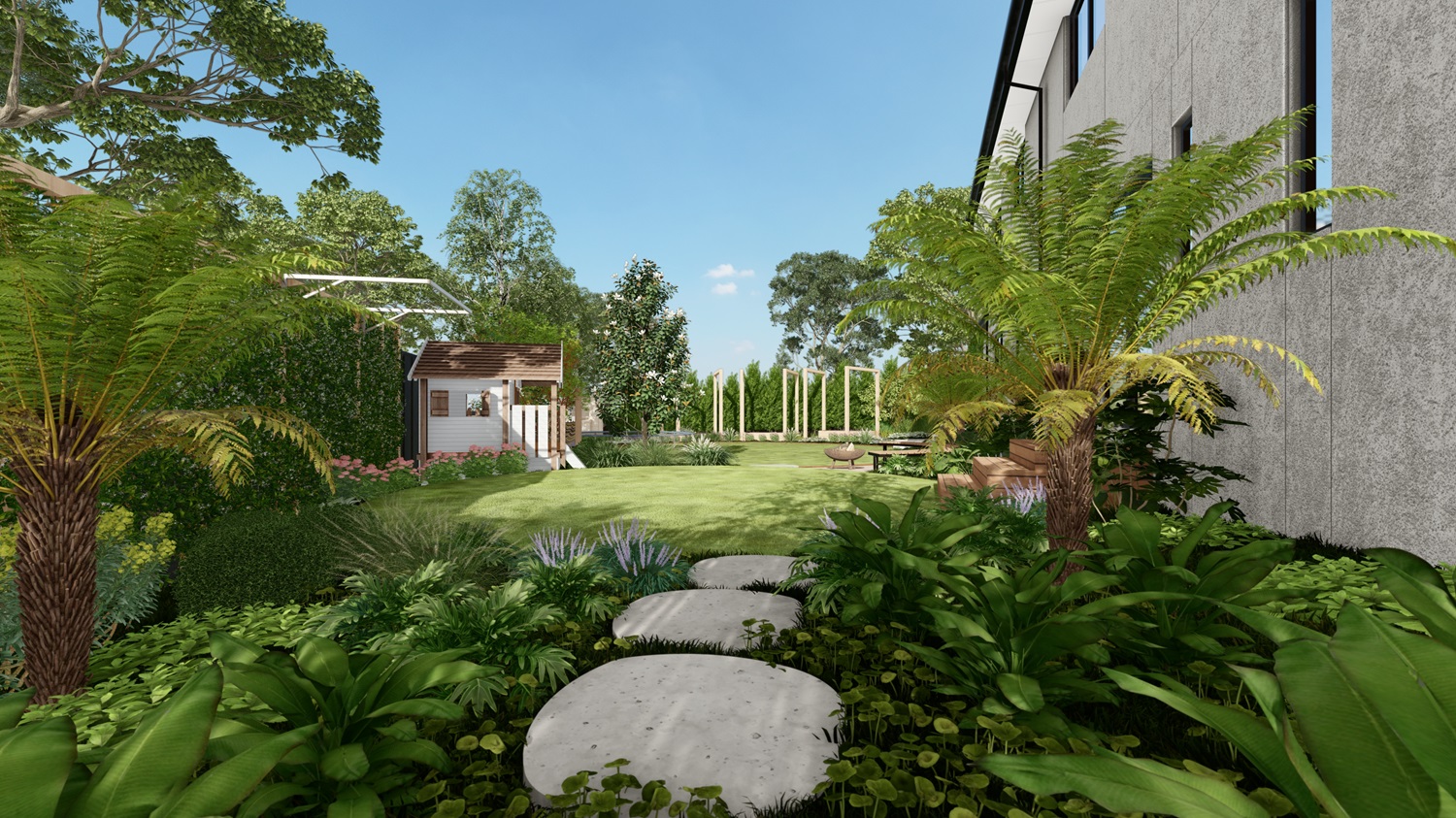
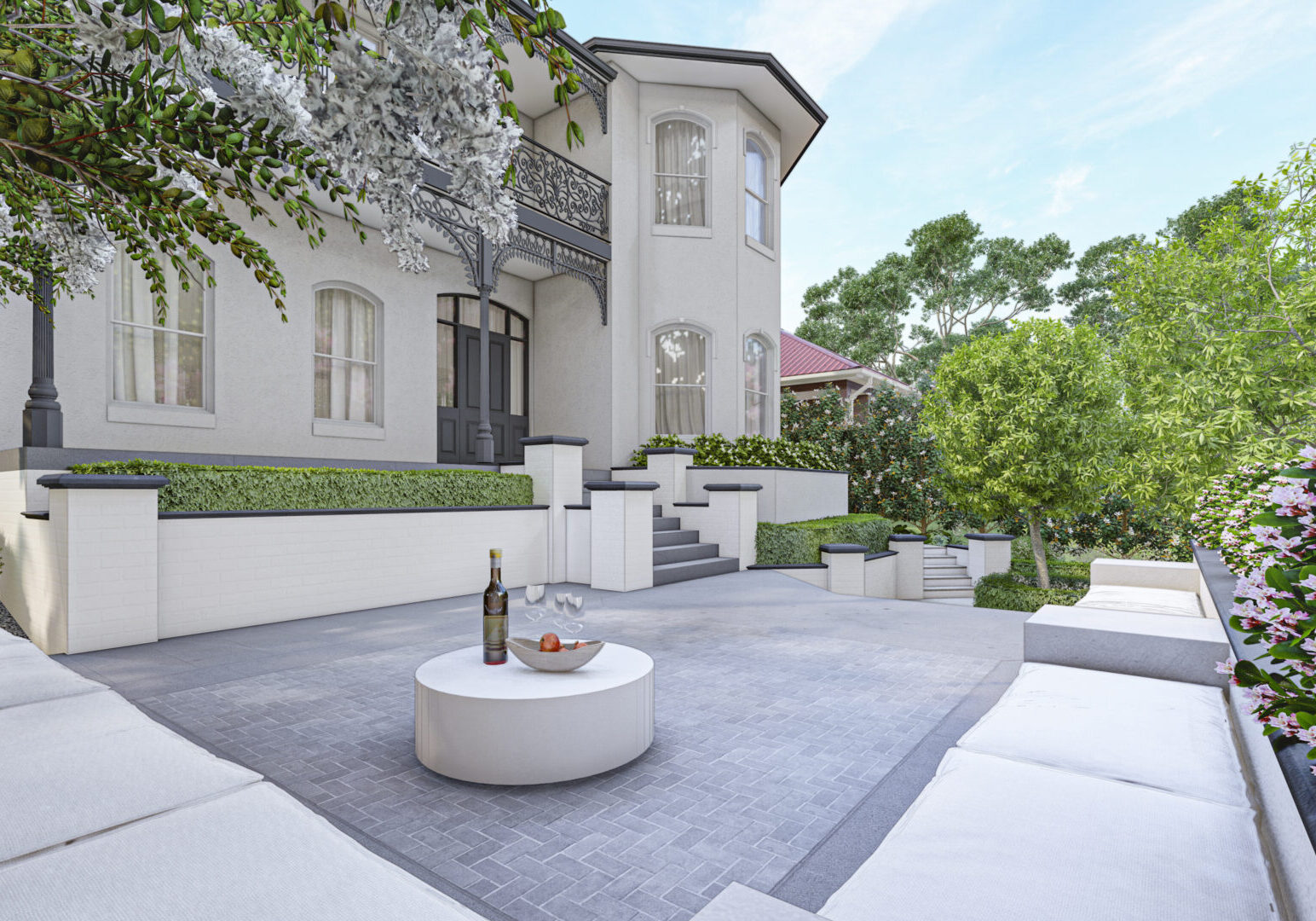
Balancing aesthetics and functionality is a core principle of landscape design. A successful landscape should not only be visually appealing but also serve practical purposes. For instance, incorporating pathways can enhance the flow of movement through the yard while providing structure. Similarly, integrating seating areas encourages outdoor living and social interactions.
Moreover, the choice of plants and materials should reflect both aesthetic desires and functional requirements. Selecting native plants that require minimal irrigation can enhance beauty while promoting sustainability. Ultimately, a well-designed landscape harmonizes visual appeal with practical utility, creating a space that is both beautiful and usable.
Creating a Functional Layout
What Should Be Included in the Layout Plan?
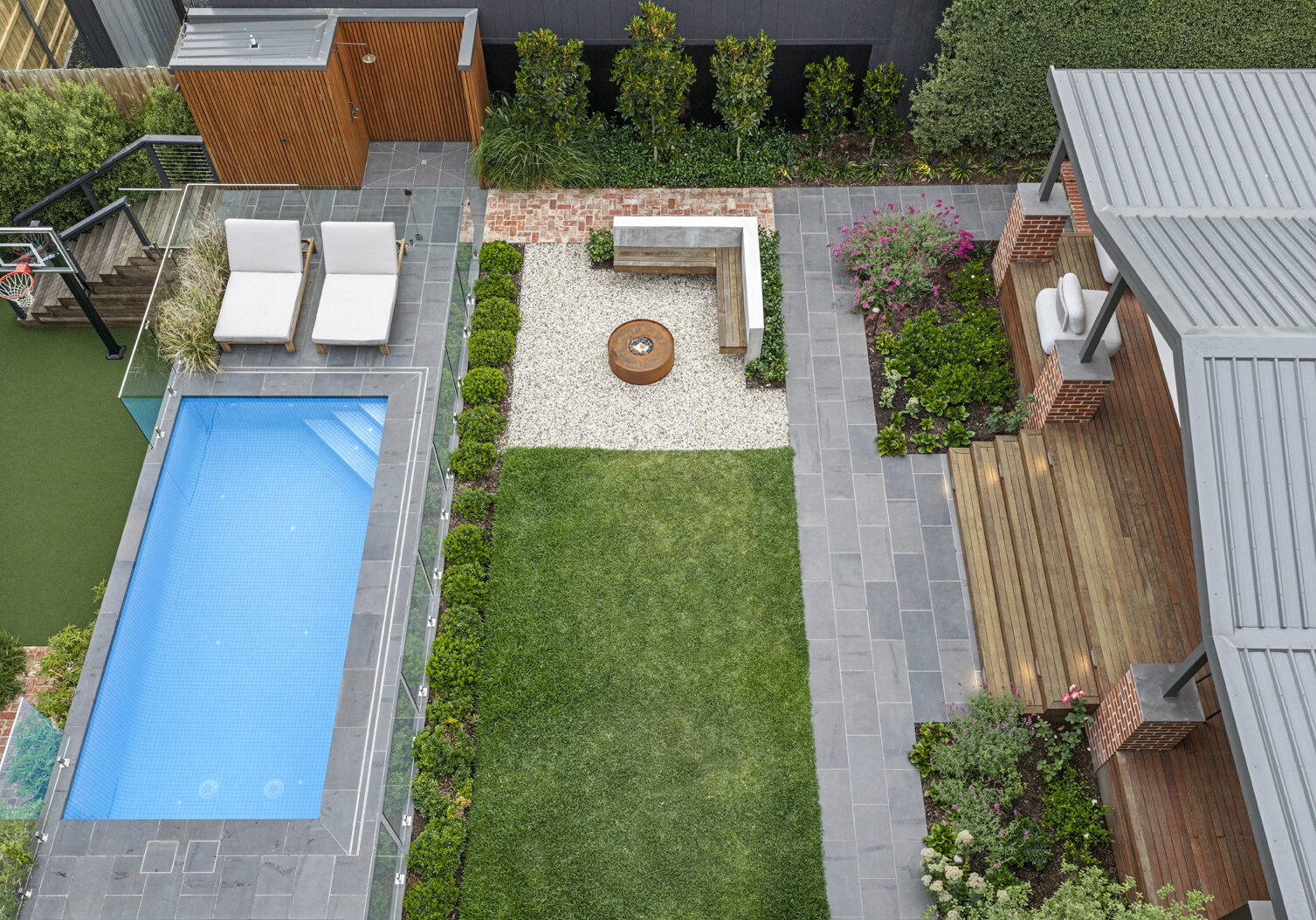
Once goals are established, the next step is to develop a detailed layout plan that outlines the placement of various elements within the landscape. This plan should incorporate key features such as plant beds, hardscaping elements like patios and walkways, water features, and lighting. A well-thought-out layout promotes efficient movement through the space and enhances its overall functionality.
Consideration should also be given to the scale and proportion of different elements. For example, larger trees should be placed strategically to provide shade without overwhelming smaller plants or structures. Additionally, the design should account for seasonal changes, ensuring that the landscape remains visually appealing year-round.
How Do You Identify Focal Points in the Landscape?
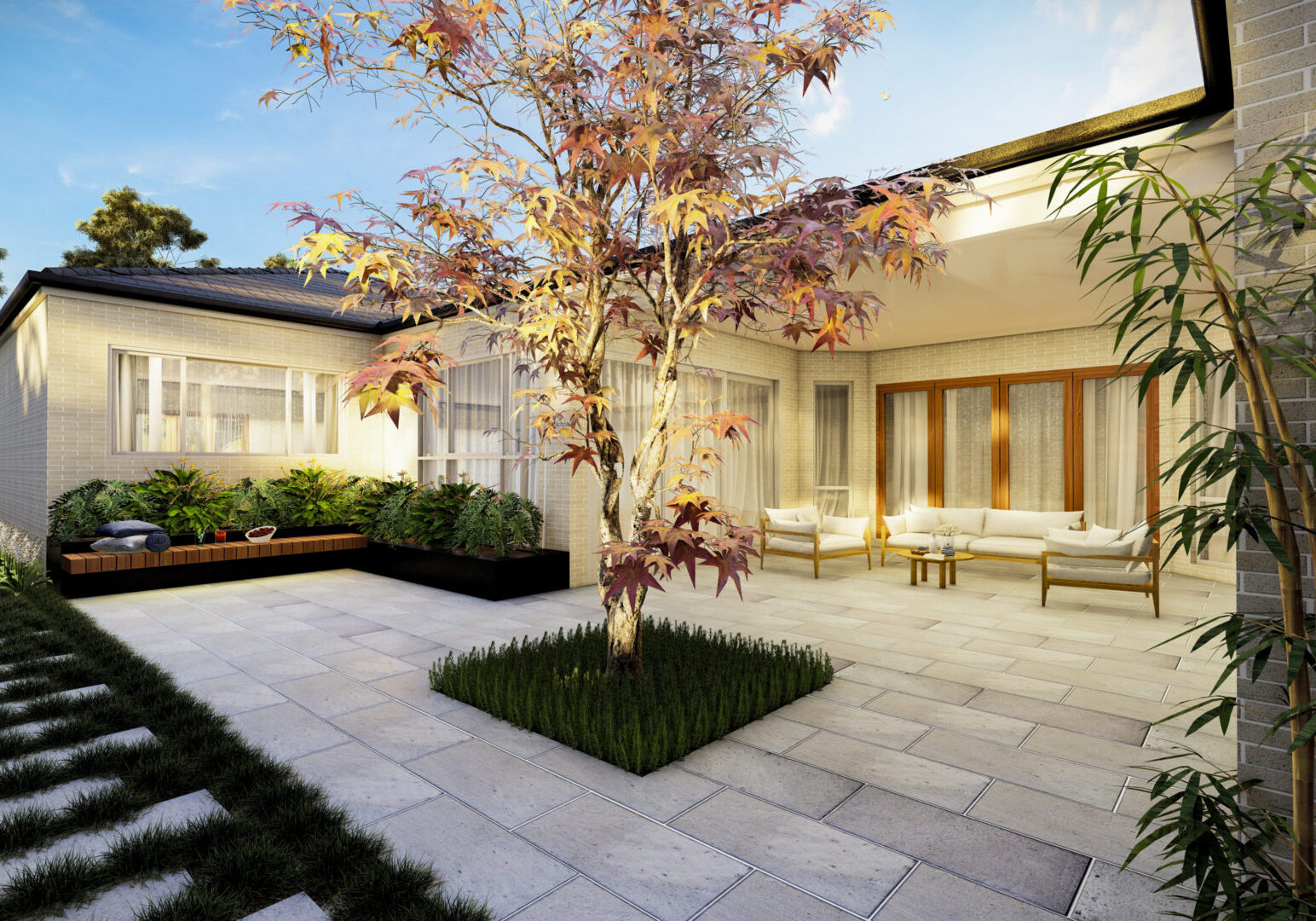
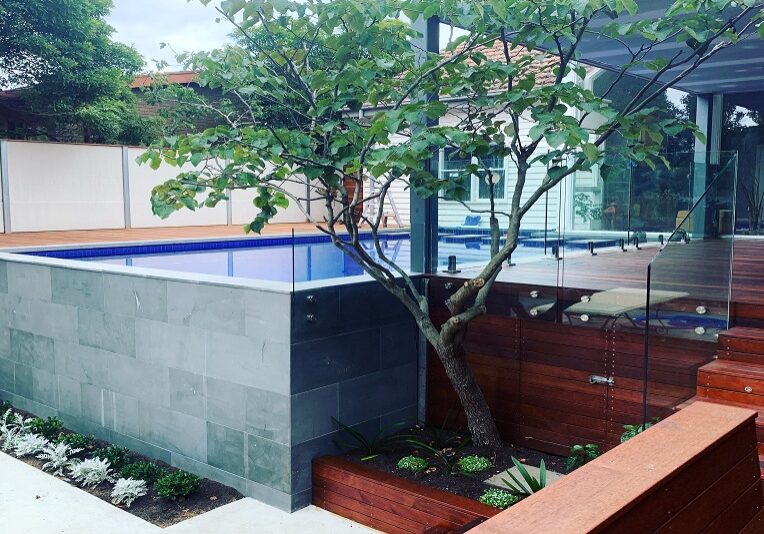
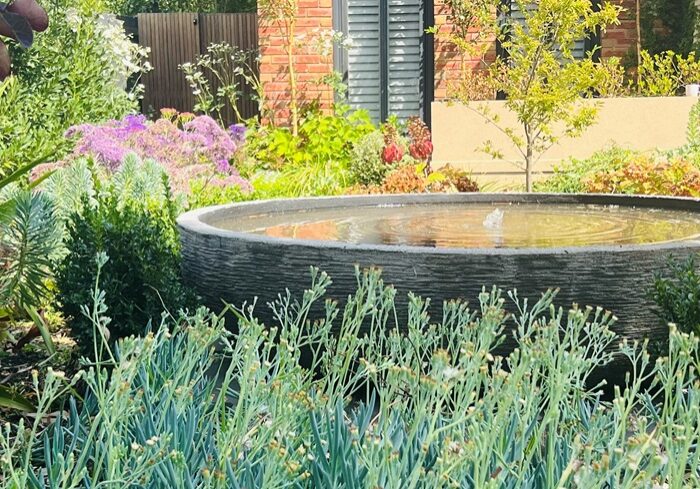
Focal points are critical in landscape design as they draw the eye and create interest within the space. Identifying and incorporating focal points can enhance the overall aesthetic of the landscape. Common focal points include specimen trees, sculptures, water features, or unique architectural elements.
The placement of focal points should be deliberate, ensuring they are clearly visible from various vantage points within the yard. Effective use of focal points not only adds visual interest but also helps in guiding movement and encouraging exploration of the outdoor space.
Choosing Plants and Materials, an Introduction to Landscape Design
What Types of Plants are Suitable for Your Area?
Selecting the right plants is essential for a successful landscape design. It is important to choose species that are well-suited to the local climate and soil conditions. Homeowners should consider factors such as growth habits, water requirements, and seasonal interest when selecting plants.
In addition to aesthetics, the ecological impact of plant choices should be considered. Native plants are often a wise choice as they are adapted to local conditions, support local wildlife, and require less maintenance. Incorporating a diverse range of plant species can enhance biodiversity and create a more resilient landscape.
How Do You Select Hardscaping Materials?
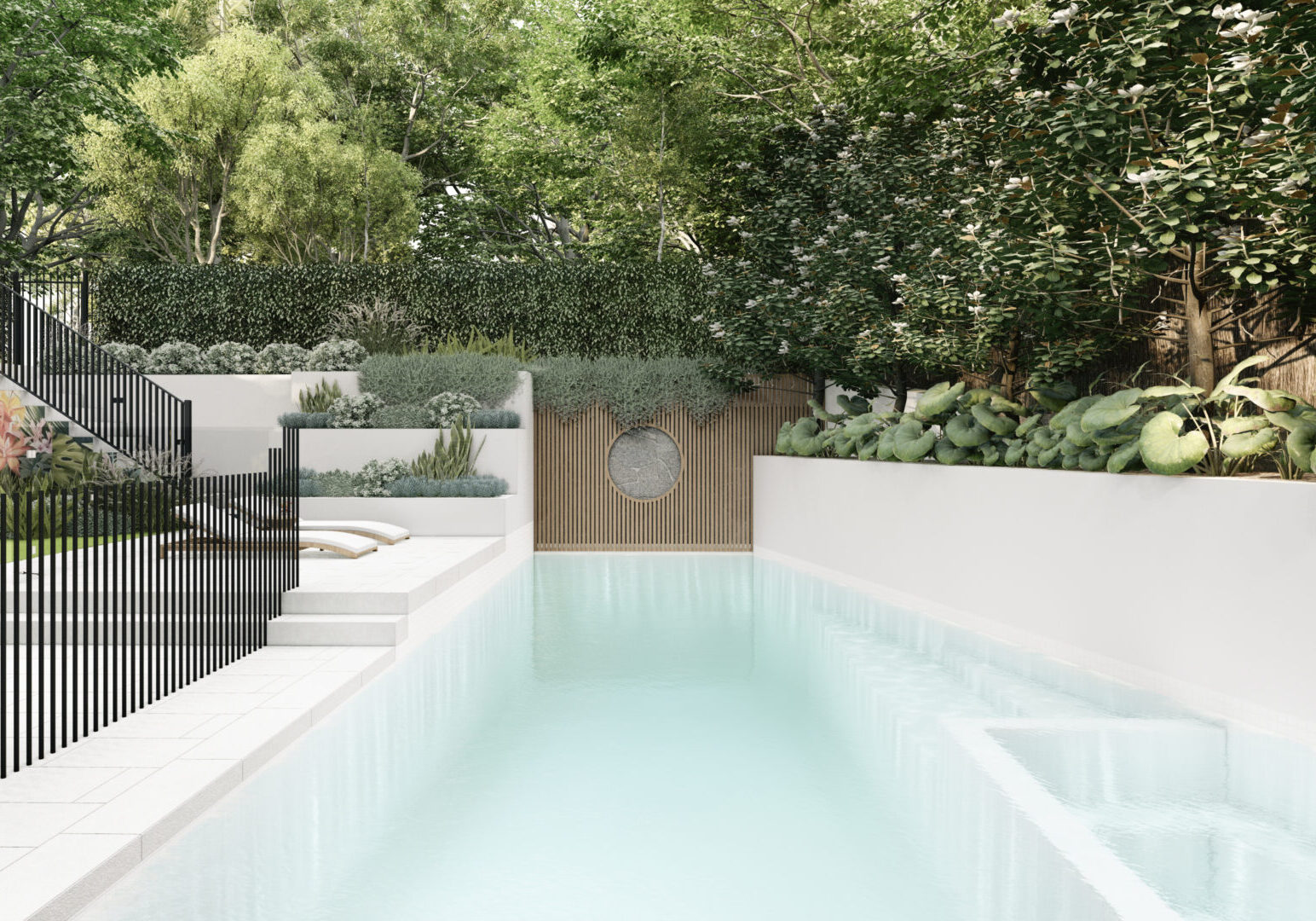
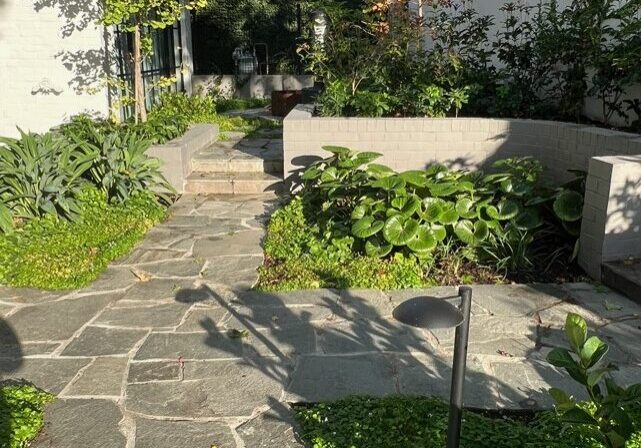
Hardscaping materials play a critical role in landscape design, providing structure and functionality. When selecting materials such as stone, brick, or concrete, homeowners should consider durability, maintenance requirements, and how the materials complement the overall design. Different materials can convey different aesthetics; for example, natural stone provides a rustic feel, while polished concrete can lend a modern touch.
Furthermore, the integration of hardscaping should enhance the functionality of the landscape. Pathways, patios, and retaining walls should be designed with both practicality and beauty in mind, creating cohesive spaces that invite use and enjoyment.
Incorporating Sustainability
What Sustainable Practices Can Be Used in Landscape Design?
Incorporating sustainable practices into landscape design is increasingly important in today’s environmentally-conscious society. Homeowners can adopt various strategies such as using native plants, which require less water and maintenance, and implementing organic gardening methods to reduce chemical use. Additionally, permaculture principles can be applied to create self-sustaining ecosystems within the landscape.
Creating rain gardens or using permeable paving materials can help manage stormwater runoff, protecting local waterways from pollution. Furthermore, composting and using mulch can improve soil health while reducing waste. By integrating these sustainable practices, homeowners can create landscapes that are not only beautiful but also beneficial to the environment.
How Important is Water Conservation in Design?
Water conservation is a critical consideration in landscape design, especially in areas prone to drought. Implementing efficient irrigation systems, such as drip irrigation, can significantly reduce water usage compared to traditional sprinkler systems. Additionally, incorporating drought-tolerant plants can minimize the need for regular watering, further promoting conservation.
Rainwater harvesting systems can also be integrated into a landscape design to capture and store rainwater for irrigation purposes. By prioritizing water conservation, homeowners can create sustainable landscapes that thrive with minimal resource input, while also contributing to the greater goal of environmental stewardship.
Maintenance and Upkeep
What Should Be Considered for Long-term Maintenance?
Long-term maintenance is an essential aspect of landscape design that should not be overlooked. Homeowners should establish a maintenance plan that outlines regular tasks such as pruning, fertilizing, mulching, and pest management. Understanding the specific needs of plants and materials within the landscape is vital for sustaining its health and appearance.
Additionally, factors such as seasonal changes and growth patterns should inform maintenance schedules. For instance, some plants may require more attention during their active growing season, while others may need pruning during dormancy. By proactively managing landscape maintenance, homeowners can ensure their outdoor spaces remain vibrant and appealing over time.
How Can You Ensure Your Landscape Design Stays Healthy?
To maintain the health of a landscape design, homeowners should monitor for signs of stress, pests, and diseases. Regular inspections can help identify issues before they escalate, allowing for timely intervention. Moreover, establishing a balanced ecosystem with diverse plantings can promote resilience against pests and diseases.
Implementing organic gardening practices, such as crop rotation and companion planting, can enhance soil health and reduce dependence on chemical treatments. Additionally, staying informed about local environmental conditions and best practices can empower homeowners to adapt their maintenance strategies effectively. A well-maintained landscape not only looks good but also contributes to the overall health of the environment.
Conclusion
What Are the Key Takeaways for Successful Landscape Planning?
In conclusion, planning a landscape design for a residential property involves a multi-faceted approach that encompasses site assessment, goal setting, and careful selection of plants and materials. Homeowners should prioritize functionality while achieving aesthetic appeal, ensuring that their outdoor spaces are both beautiful and practical.
Incorporating sustainable practices and planning for long-term maintenance are essential for creating resilient landscapes that thrive over time. By understanding the key components of landscape design, homeowners can transform their outdoor spaces into vibrant retreats that enhance their quality of life and contribute positively to the environment.
Please get in touch today.