
Plant Selection for Your Landscape: How to Choose the Right Plants for a Beautiful, Timeless Garden July 7, 2026
Why Plant Selection for Your Landscape Matters
When planning a new garden, it’s easy to become excited by beautiful flowers, lush greenery and colourful displays at the local nursery. However, successful gardens aren’t created by choosing the prettiest plants. The real secret lies in thoughtful plant selection for your landscape.
The right plants can transform an outdoor space, soften architecture, provide privacy, create year-round interest and dramatically reduce maintenance. Poor plant selection, on the other hand, can result in overcrowded gardens, unhealthy plants, excessive maintenance and costly replacements.
Whether you’re building a new home or renovating an existing garden, taking the time to carefully consider plant selection for your landscape is one of the most important decisions you’ll make. At Shape and Form, we believe planting should enhance the overall landscape design, not dominate it.
Start With the Landscape Design, Not the Plants
One of the most common mistakes homeowners make is choosing plants before the overall layout of the garden has been designed.
Professional landscape designers always establish the structure of the landscape first. This includes outdoor entertaining areas, pools, pathways, retaining walls, lawn areas, pergolas and garden lighting. Once these elements are in place, the planting can be designed to complement and soften the built environment.
Successful plant selection for your landscape should always support the architecture of the home and the way you intend to use your outdoor space.
Understand the Conditions of Your Garden
Every garden has its own unique microclimate. Before choosing plants, it’s important to understand the conditions they will need to thrive.
Sun and Shade
Observe your garden throughout the day. Some areas may receive full sun, while others remain shaded for most of the afternoon. Selecting plants that suit these conditions is essential for long-term success.
Soil Quality
Healthy soil forms the foundation of healthy planting. Consider the soil type, drainage and organic matter before deciding on a planting palette.
Wind Exposure
Many Melbourne gardens experience strong seasonal winds. Choosing hardy plants for exposed locations will improve the longevity of your landscape.
Drainage
Poor drainage can damage many plant species. Matching plants to the moisture conditions within different areas of the garden creates healthier and more resilient planting.
Choose Plants That Suit Melbourne’s Climate
One of the most important aspects of plant selection for your landscape is choosing species that are well suited to Melbourne’s climate.
With hot summers, cool winters and unpredictable weather, resilient planting is essential.
A balanced planting palette may include:
- Australian native plants
- Mediterranean species
- Evergreen shrubs
- Architectural grasses
- Climate-adapted ornamental plants
- Feature trees
Plants that naturally suit Melbourne’s conditions typically require less water, fewer chemical treatments and less maintenance.
Every Plant Should Have a Purpose
Professional landscape designers rarely choose plants simply because they look attractive.
Every plant should perform a specific role within the landscape.
Common purposes include:
Creating Privacy
Evergreen screening plants provide year-round privacy while helping define outdoor spaces.
Framing Views
Trees and shrubs can draw attention to important architectural features or beautiful outlooks.
Providing Shade
Large canopy trees reduce summer heat and make outdoor entertaining areas more comfortable.
Softening Hard Landscaping
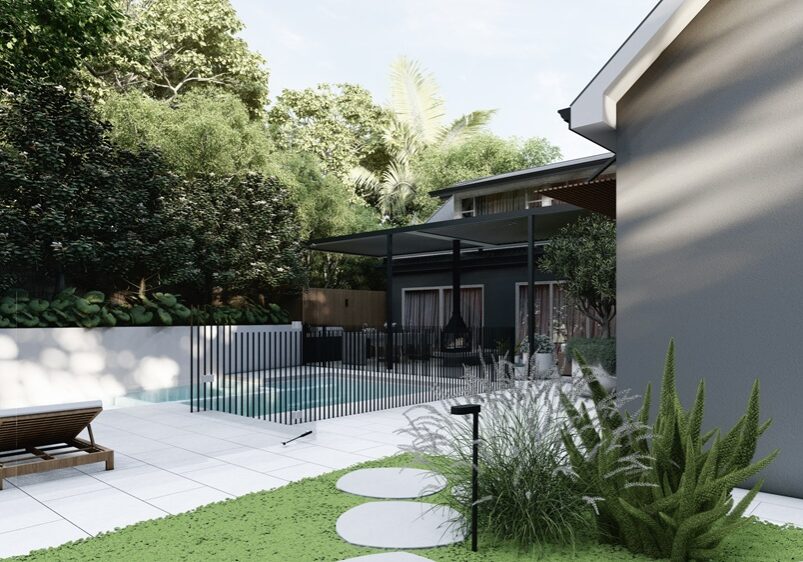
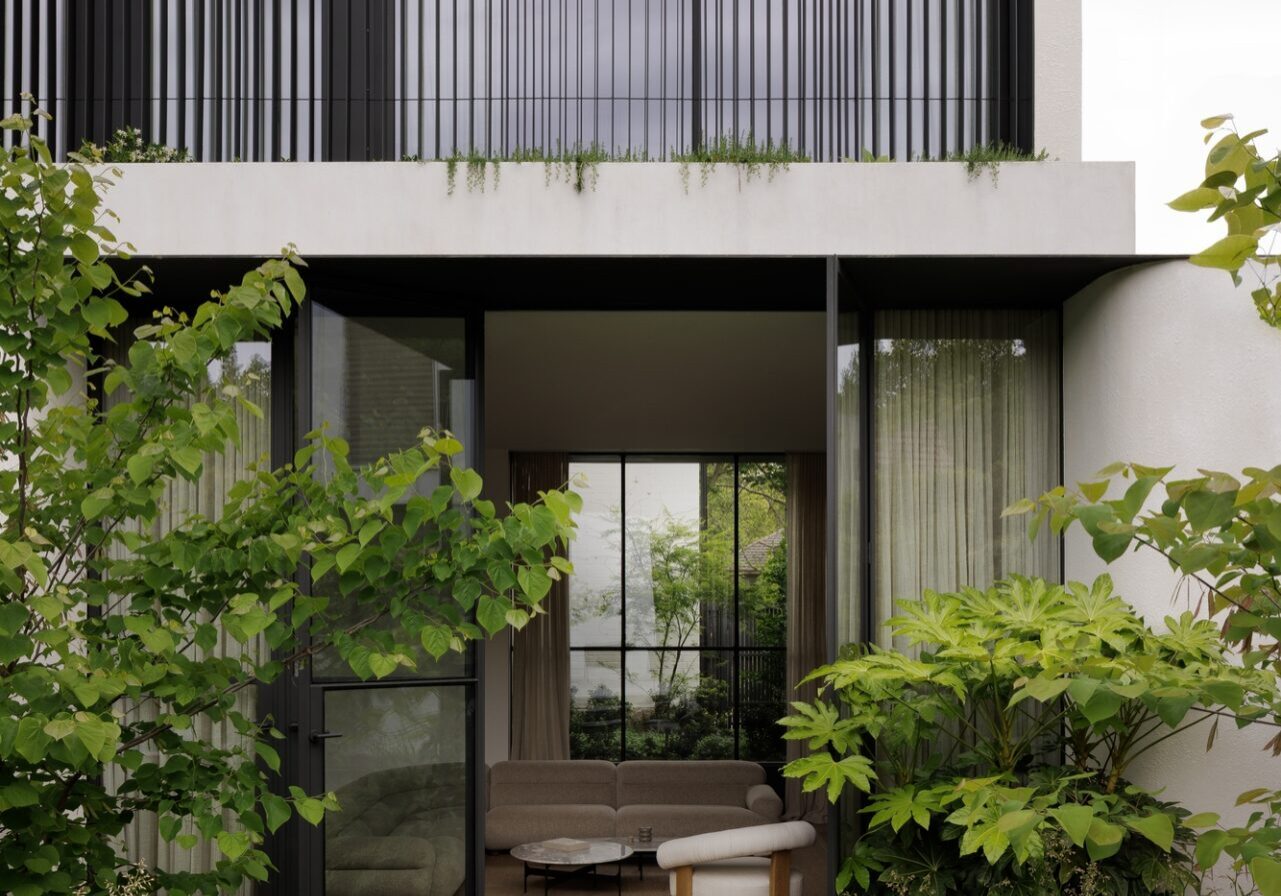
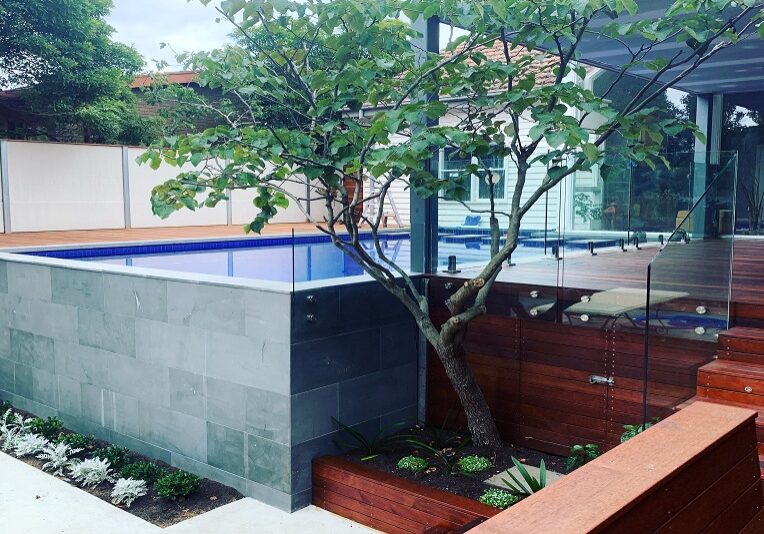
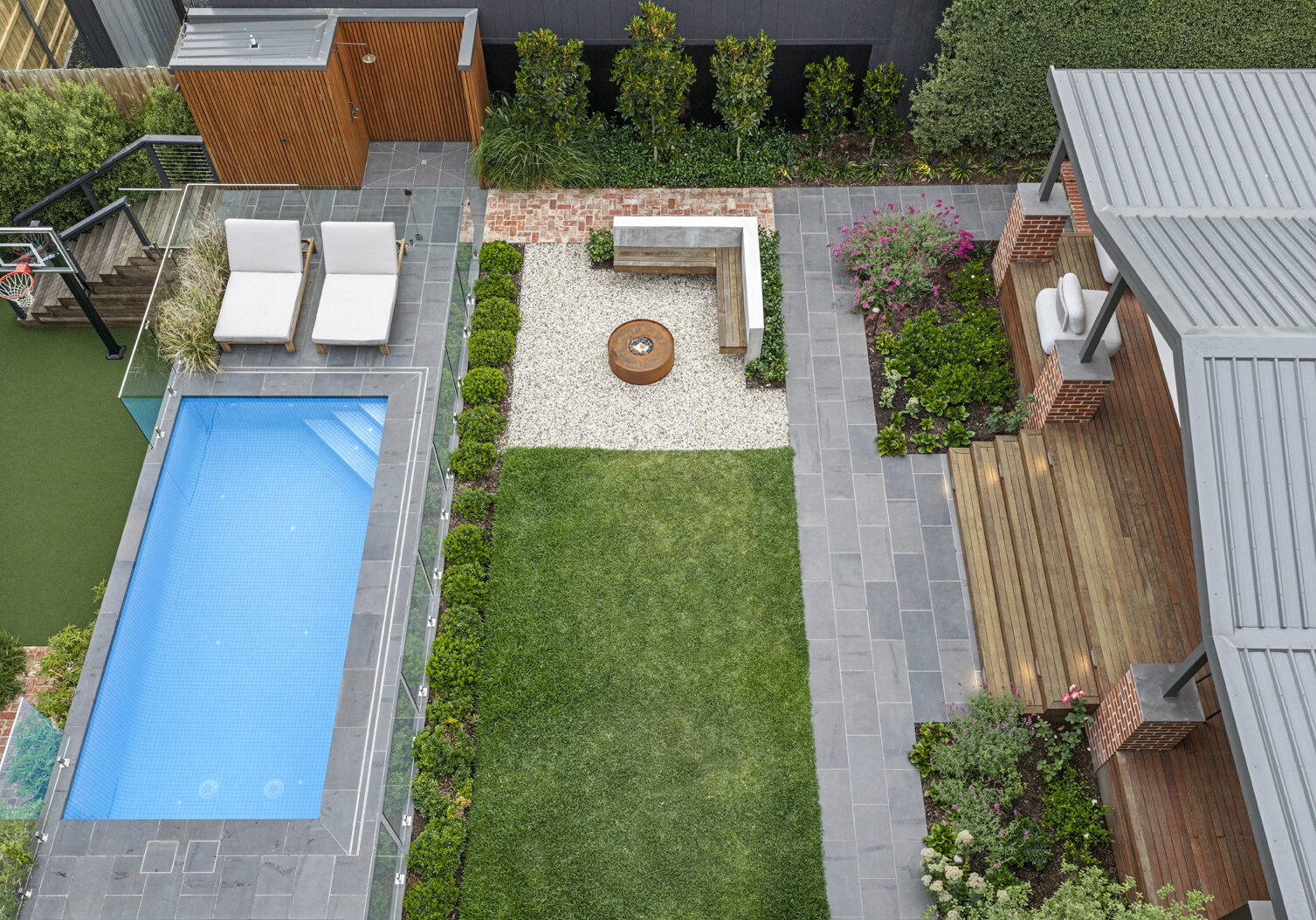
Planting helps balance stone paving, concrete walls, swimming pools and outdoor structures.
Improving Biodiversity
Well-chosen plants encourage birds, bees and beneficial insects, creating a healthier garden ecosystem.
Simplicity Creates Better Gardens
One of the biggest misconceptions in gardening is that more plant varieties create a better landscape.
In reality, successful landscape plant selection often involves using fewer species.
Repeating carefully selected plants throughout the garden creates:
- Consistency
- Rhythm
- Balance
- Simplicity
- Greater visual impact
Rather than filling the garden with dozens of different plants, modern landscape design focuses on repetition and restraint.
This creates a timeless landscape that feels calm and cohesive.
Consider the Mature Size of Every Plant
One of the biggest mistakes homeowners make during plant selection for your landscape is choosing plants based on their appearance in the nursery.
Young plants often look small and manageable, but many will grow significantly larger over time.
Before planting, always consider:
- Mature height
- Mature width
- Root systems
- Growth rate
- Canopy spread
Allowing plants enough room to mature naturally reduces maintenance and creates a healthier garden.
Create Layers Within the Landscape
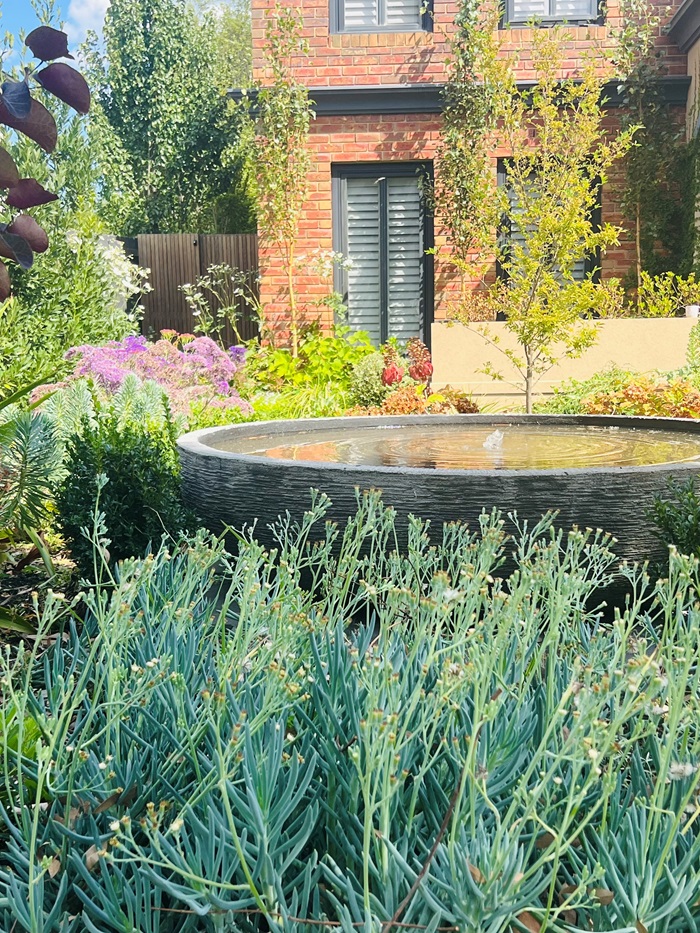
The most attractive gardens contain layers of planting that create depth and texture.
A balanced planting design often includes:
- Feature trees
- Screening shrubs
- Structural evergreen plants
- Ornamental grasses
- Flowering perennials
- Groundcovers
Layering creates visual richness while ensuring the garden remains interesting throughout the year.
Think Beyond Flowers
Many homeowners focus almost entirely on flowers when choosing plants.
While flowering plants certainly have their place, the best gardens rely just as heavily on structure, texture and foliage.
Consider plants that provide:
- Architectural form
- Interesting foliage
- Seasonal colour
- Attractive bark
- Movement in the breeze
- Evergreen structure
These characteristics ensure the landscape remains beautiful even when flowers are not in bloom.
Choose Low Maintenance Plants
Your garden should complement your lifestyle, not create more work.
When undertaking plant selection for your landscape, prioritise species that naturally maintain their shape and require minimal intervention.
Low maintenance plants typically:
- Need less pruning
- Require less water
- Resist pests and diseases
- Retain an attractive form naturally
- Thrive in local conditions
A low maintenance planting palette allows you to spend more time enjoying your garden and less time working in it.
Integrate Planting With Other Landscape Features
Plants should never feel like they have been added as an afterthought.
Instead, they should work alongside the other elements of the landscape.
Examples include:
- Soft grasses surrounding swimming pools
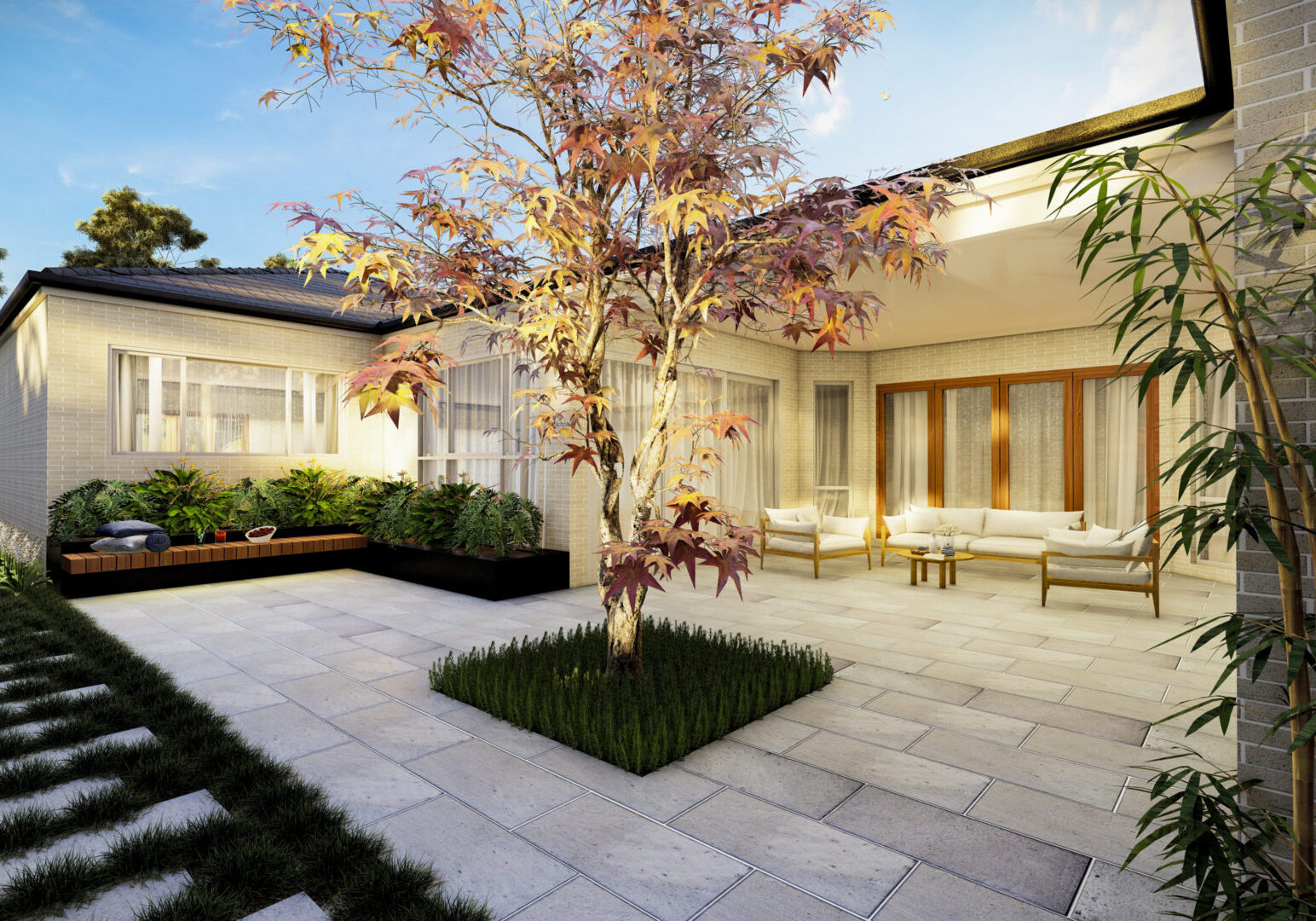
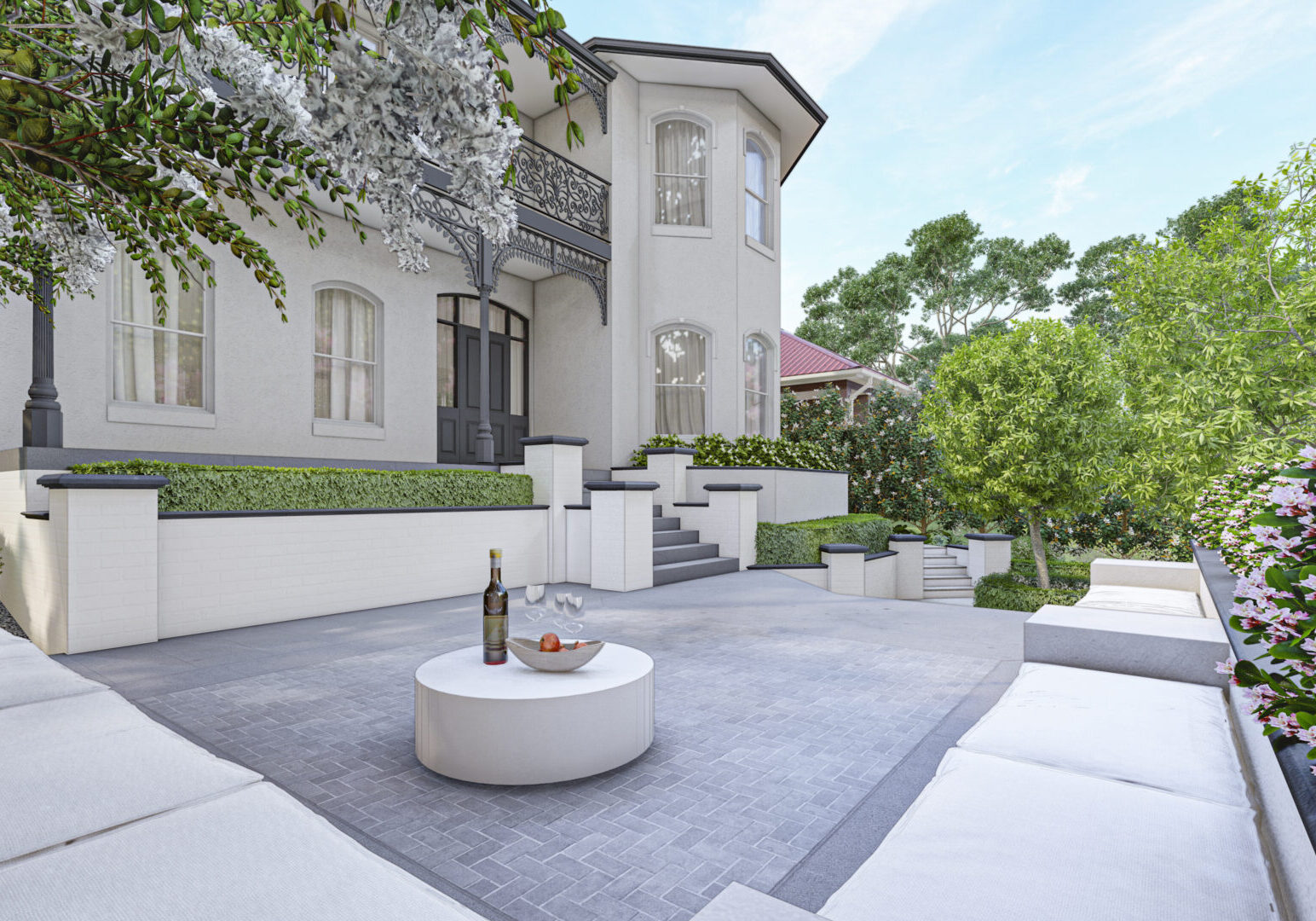
- Feature trees framing outdoor entertaining areas
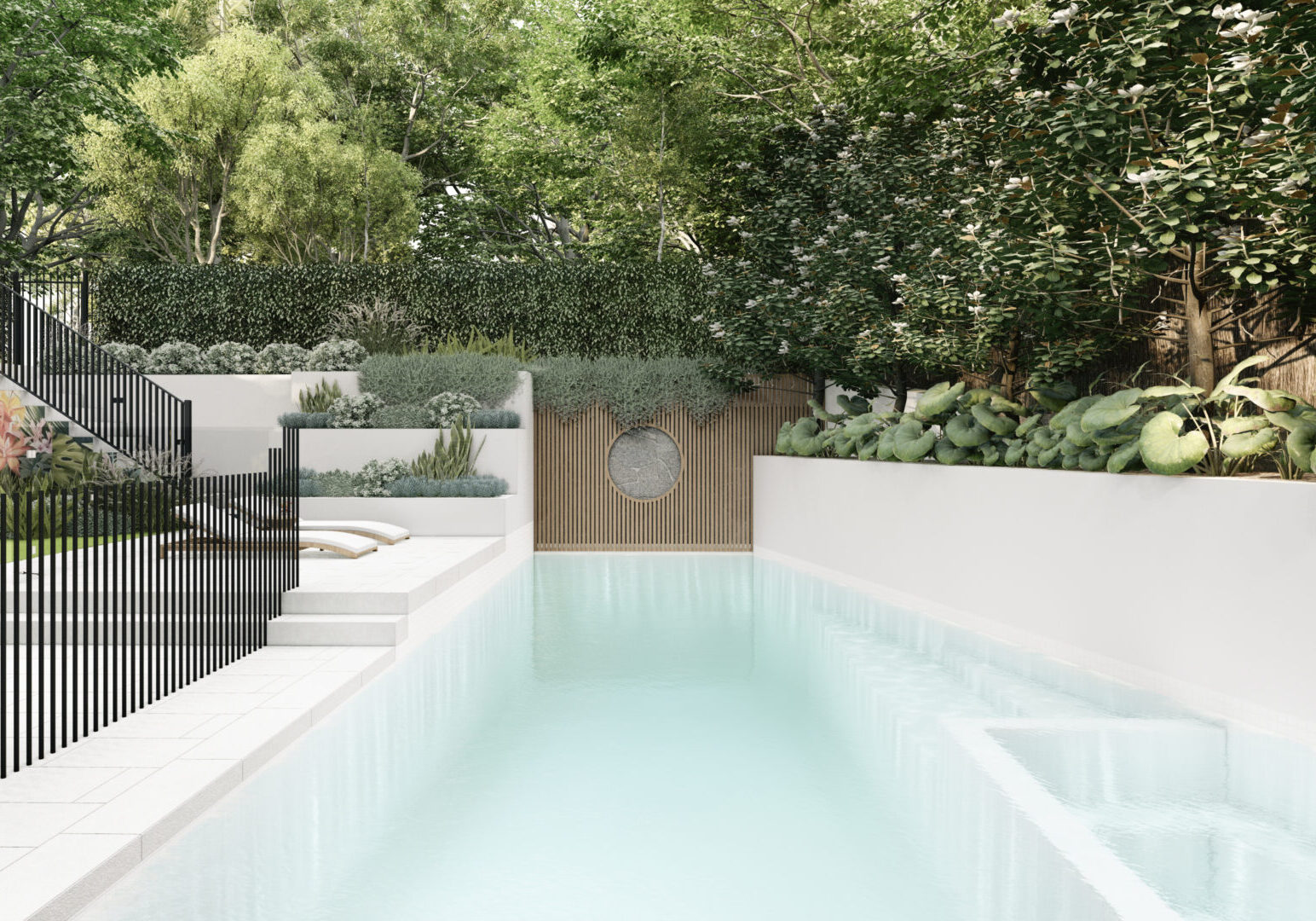
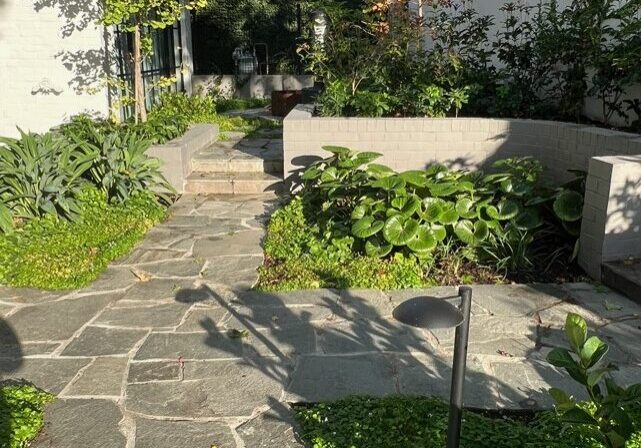
- Groundcovers spilling over retaining walls
- Evergreen planting screening boundaries
- Architectural shrubs complementing contemporary homes
This integrated approach creates a cohesive and harmonious outdoor space.
Don’t Forget Garden Lighting
Thoughtful lighting enhances planting after dark and creates a completely different experience of the landscape.
Feature lighting can highlight:
- Mature trees
- Sculptural plants
- Feature shrubs
- Layered planting
- Garden textures
Planning lighting alongside your plant selection for your landscape ensures both elements work together to create a garden that is just as impressive at night as it is during the day.
Why Professional Plant Selection Makes the Difference
Choosing plants involves much more than visiting a nursery.
Professional landscape designers consider:
- Climate
- Architecture
- Soil
- Sunlight
- Drainage
- Maintenance
- Mature growth
- Colour palettes
- Texture
- Functionality
These factors combine to create planting schemes that continue to improve as the landscape matures.
At Shape and Form, we believe thoughtful plant selection for your landscape is one of the defining characteristics of exceptional garden design. Our planting palettes are carefully curated to complement the architecture of the home while thriving in Melbourne’s climate.
Create a Landscape That Improves With Time
The best gardens become more beautiful every year.
Rather than following short-term planting trends, invest in a landscape built around strong design principles, quality materials and carefully considered plant selection.
When every plant has a purpose and contributes to the overall vision, the result is a timeless outdoor space that feels balanced, refined and effortless.
Ready to Create a Beautiful Landscape?
If you’re planning a new garden or renovating an existing outdoor space, Shape and Form specialises in professional landscape design and carefully considered plant selection for your landscape.
Contact us today to discover how the right planting palette can transform your outdoor space into a timeless garden designed specifically for your home and lifestyle.