
Landscape Design Elements: The Building Blocks of a Beautiful Outdoor Space July 13, 2026
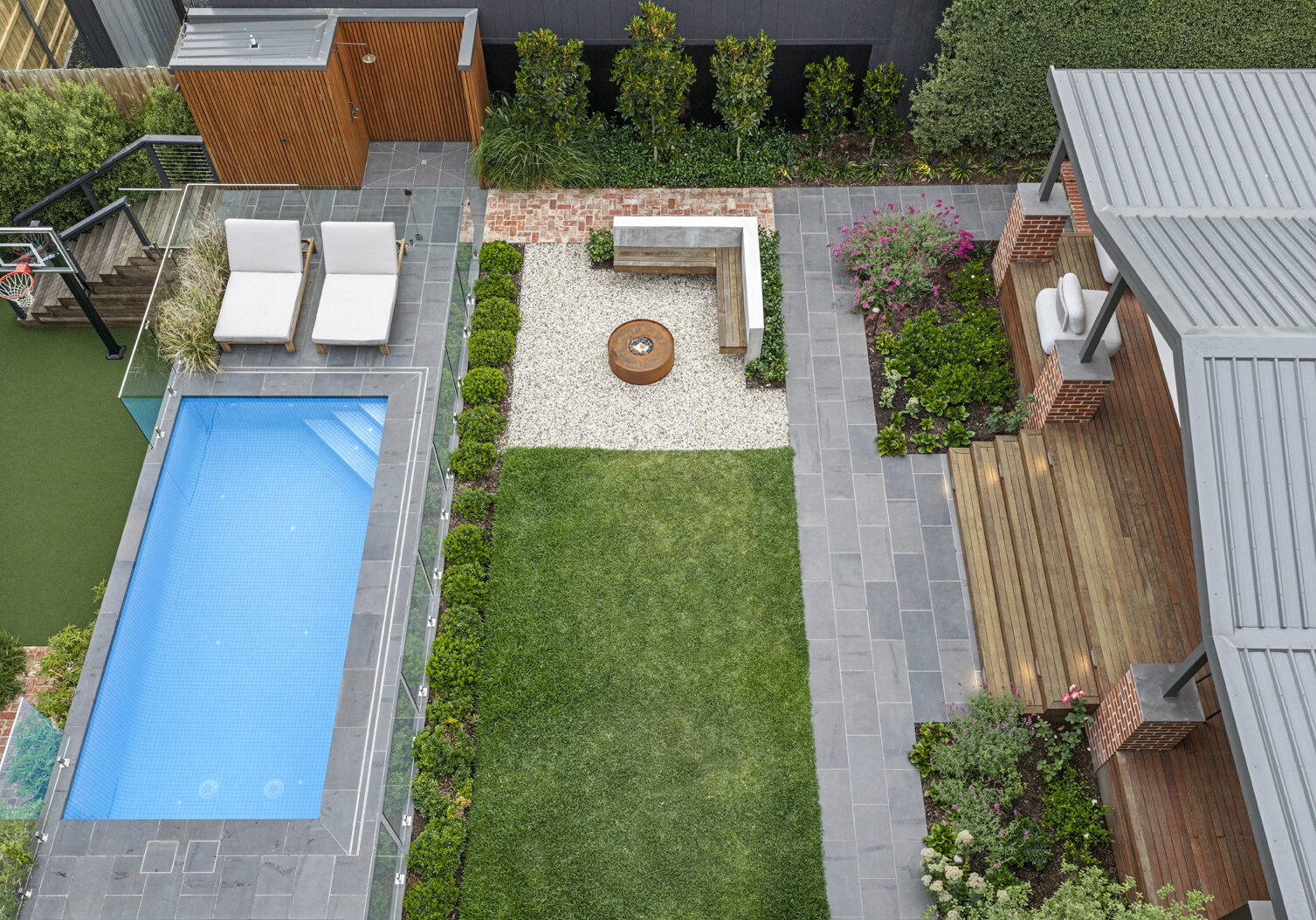
Understanding landscape design elements is to understand that every exceptional garden starts with great design. While beautiful plants, natural stone paving and luxurious outdoor living areas often capture the attention, they are only individual components of a much larger picture. The most successful gardens are created when all the landscape design elements work together to form one cohesive and functional outdoor environment.
Whether you’re building a new home, renovating an existing garden or planning a complete landscape transformation, understanding the essential landscape design elements will help you appreciate what separates an ordinary garden from one that is truly timeless.
At Shape and Form, we believe landscape design is about far more than selecting attractive materials or planting beautiful trees. It is about carefully combining every element to create an outdoor space that complements the architecture of your home, reflects your lifestyle and continues to improve with time.
What Are Landscape Design Elements?
Landscape design elements are the individual components that make up an outdoor space. While each element has its own purpose, the real success of a landscape comes from how these components work together.
A professional landscape designer carefully considers every aspect of the site before creating a design. From the placement of trees to the selection of paving materials, every decision contributes to the overall experience of the garden.
The primary landscape design elements include:
- Planting
- Hard landscaping
- Landform and topography
- Lighting
- Water features
- Outdoor living spaces
- Materials
- Scale and proportion
- Texture and colour
When these elements are carefully balanced, the result is a landscape that feels effortless, functional and visually harmonious.
Plants: The Living Framework of the Landscape
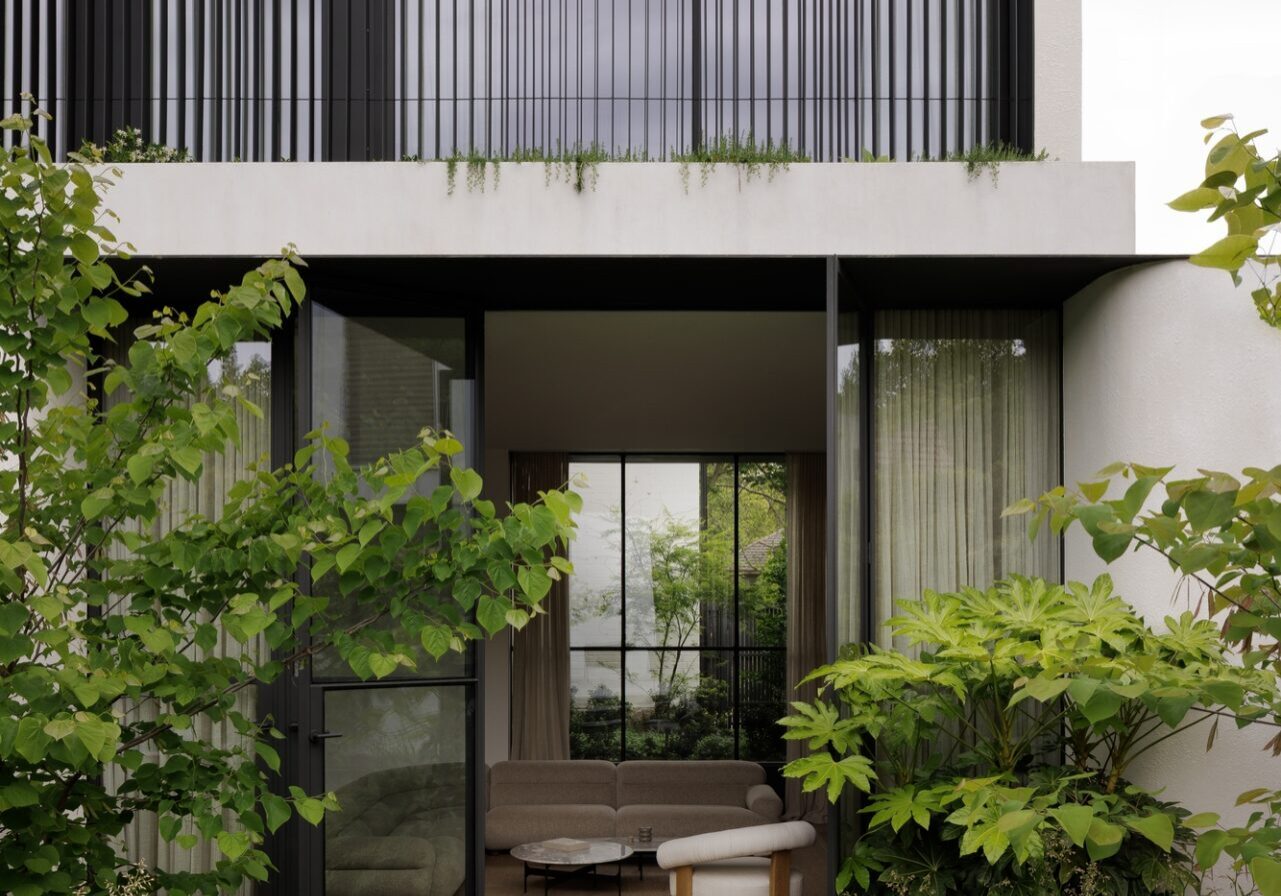
Plants are often the first thing people notice in a garden, but their role extends well beyond aesthetics. They provide structure, soften hard surfaces, create privacy and connect the built landscape with nature.
Professional landscape designers select plants based on much more than appearance. Factors such as mature size, maintenance requirements, seasonal interest and suitability to Melbourne’s climate all influence the final planting palette.
Trees
Trees provide the vertical structure of a landscape. They create shade, frame views, improve privacy and establish a sense of scale.
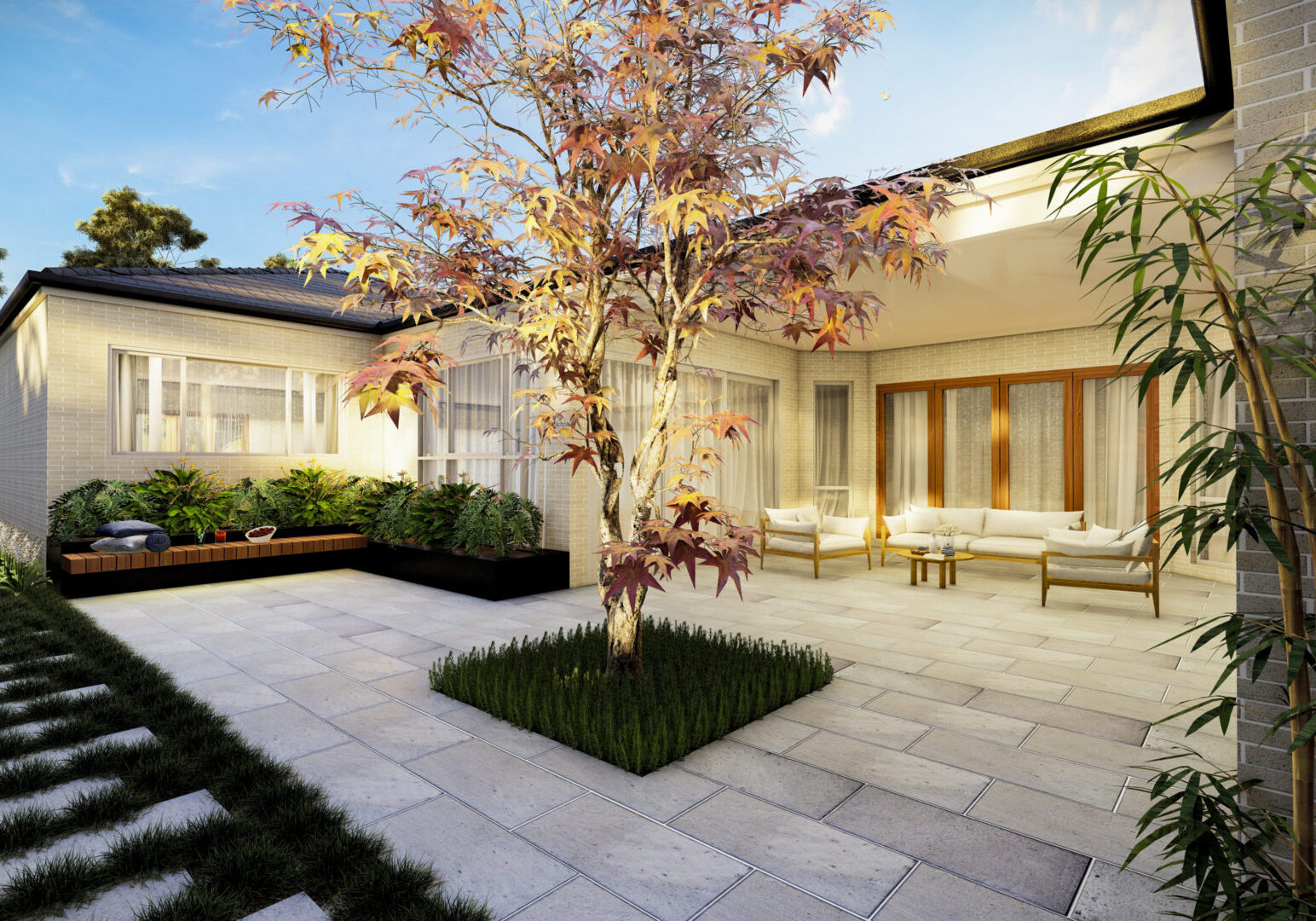
Feature trees can become sculptural focal points, while larger canopy trees help cool outdoor living areas during summer.
Shrubs
Shrubs create the backbone of the planting design. They define spaces, provide screening and create year-round structure.
Evergreen shrubs are particularly valuable for maintaining visual interest throughout every season.
Groundcovers and Perennials
Groundcovers help suppress weeds and soften garden edges, while ornamental grasses and perennials introduce movement, texture and seasonal variation.
Modern landscape design often relies on repetition rather than large numbers of plant species. A restrained planting palette creates a more sophisticated and timeless appearance.
Hard Landscaping Creates Structure
Hard landscaping forms the permanent framework of the garden. It provides functionality while establishing the architectural character of the landscape.
Common hardscape elements include:
Paving
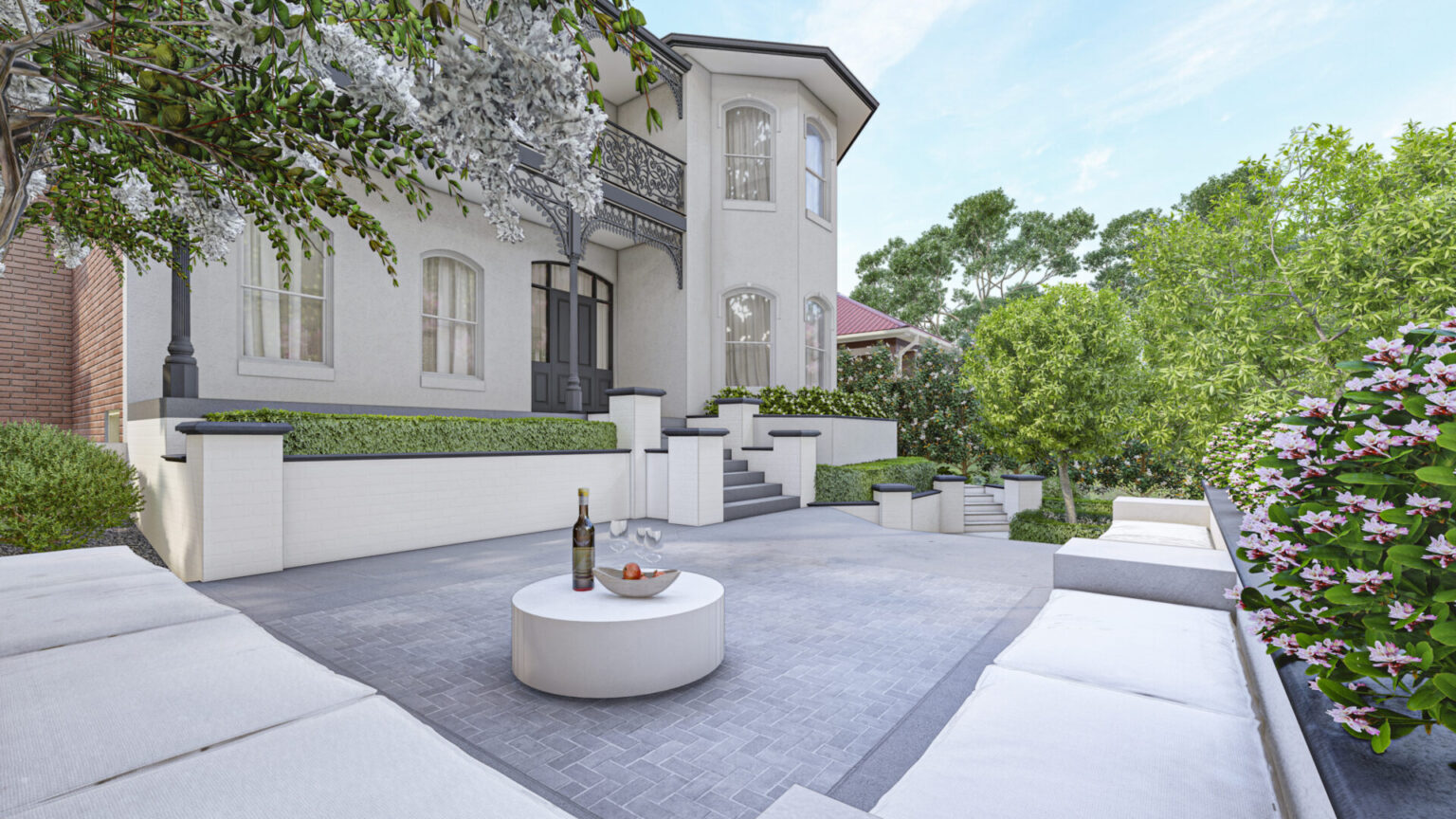
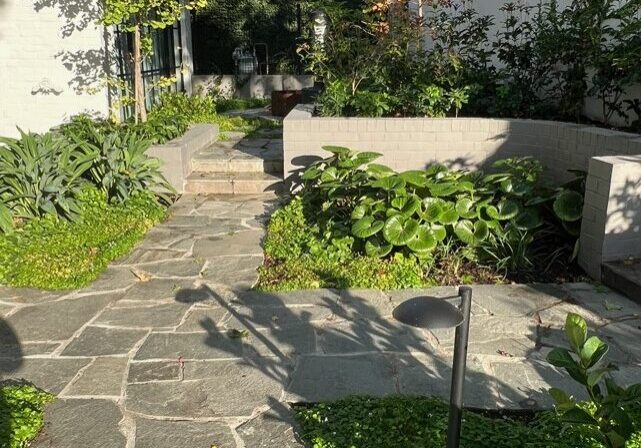
Natural stone, porcelain and architectural concrete create pathways, terraces and entertaining areas while connecting different parts of the landscape.
Decking
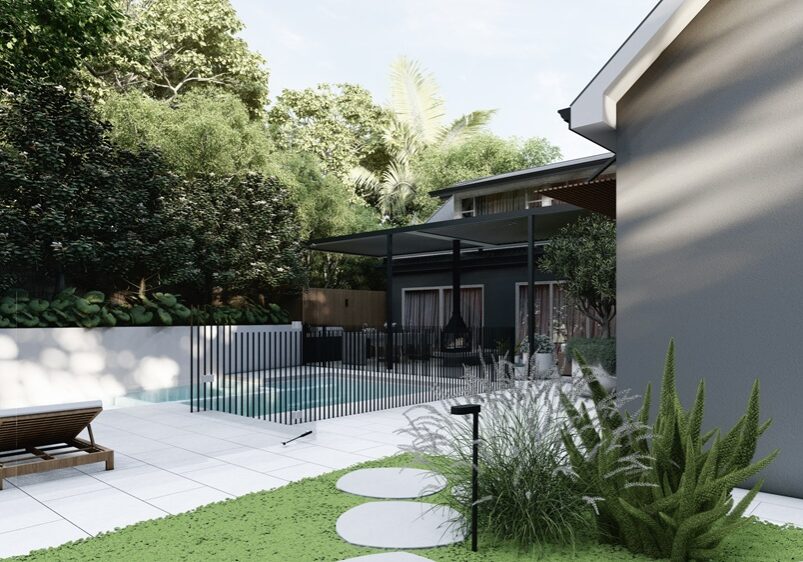
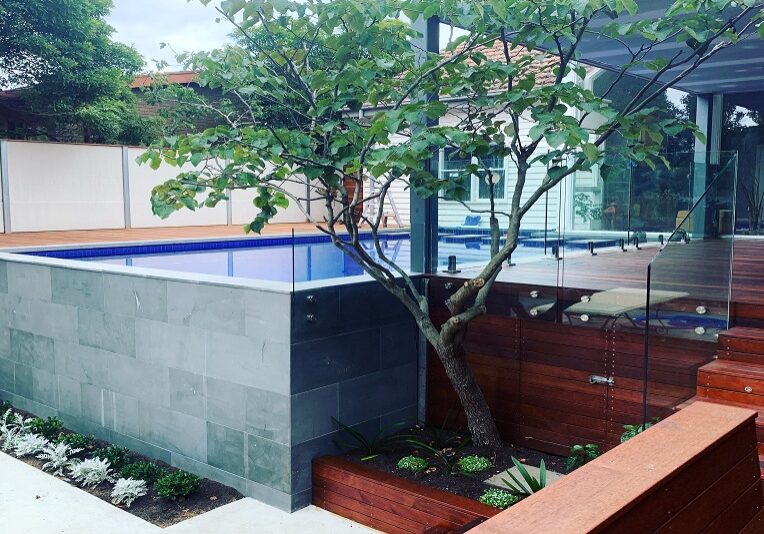
Timber decking introduces warmth and creates inviting outdoor living spaces around pools and entertaining areas.
Retaining Walls
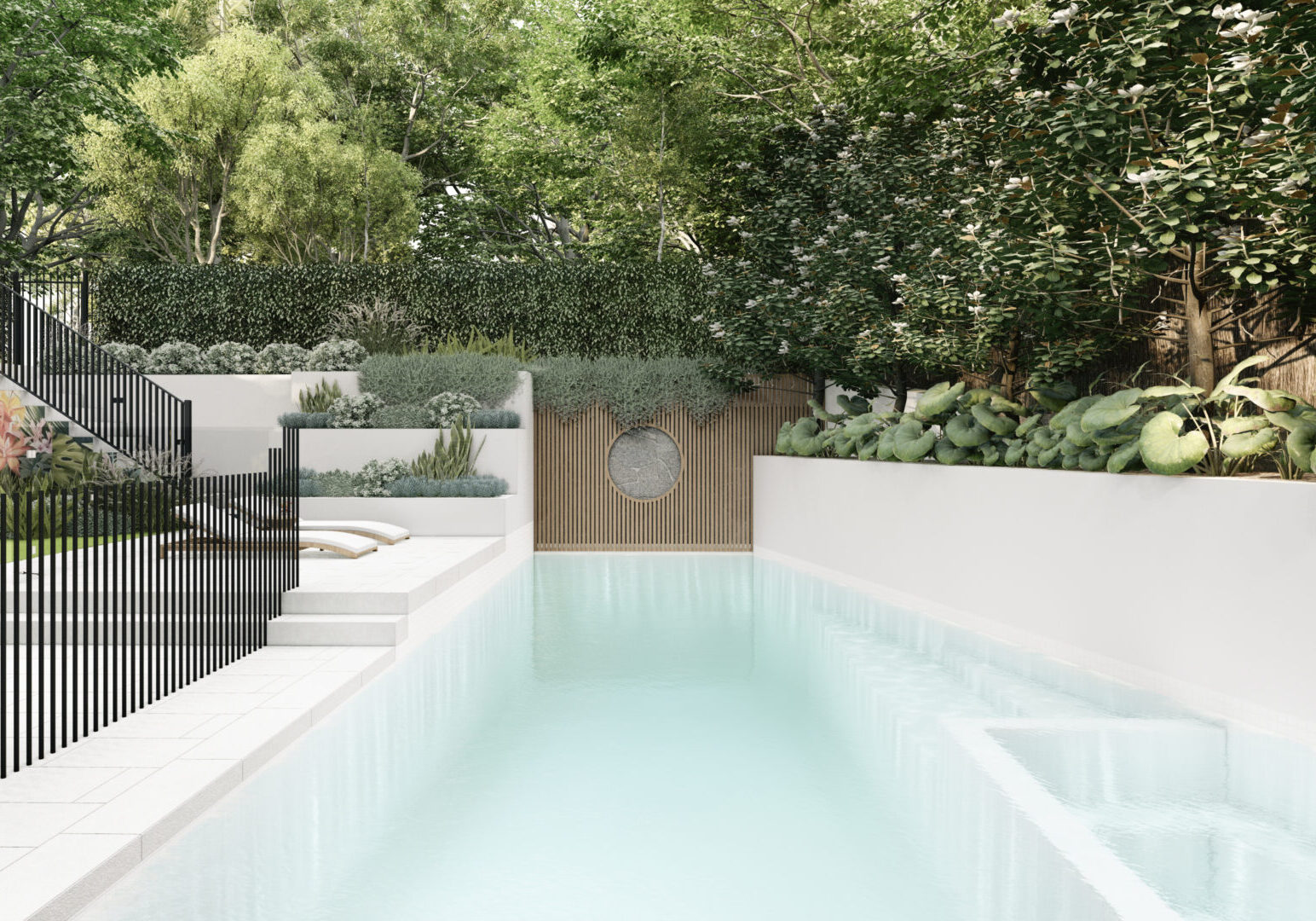
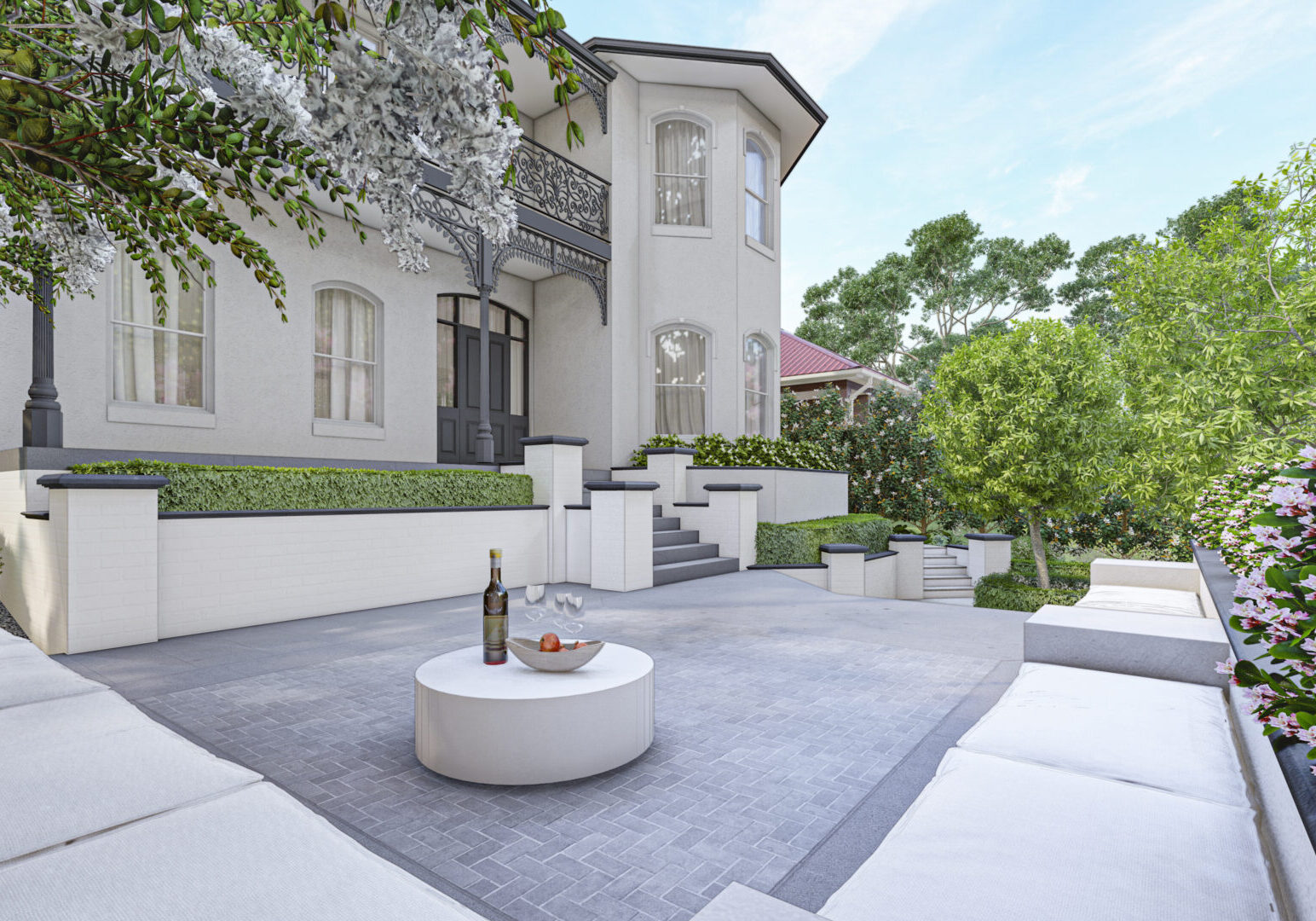
Retaining walls solve level changes while creating opportunities for layered planting and seating.
Fencing and Screening
Boundary treatments provide privacy while contributing to the overall architectural language of the landscape.
Choosing a limited palette of high-quality materials creates cohesion throughout the garden and ensures the design remains timeless.
Topography Shapes the Landscape
Every successful landscape begins with an understanding of the land itself.
Topography refers to the natural levels, slopes and contours of the site. Rather than seeing changes in level as obstacles, experienced landscape designers use them to create interest and improve functionality.
Careful consideration of topography helps with:
- Drainage
- Stormwater management
- Retaining wall placement
- Plant selection
- Accessibility
- Outdoor living areas
A thoughtful response to the site’s natural characteristics creates landscapes that feel balanced and work with the environment rather than against it.
Garden Lighting Brings the Landscape to Life
Lighting is one of the most overlooked landscape design elements, yet it has one of the greatest impacts on the way a garden is experienced.
Rather than simply illuminating the entire garden, modern landscape lighting highlights key features while creating atmosphere.
Lighting can be used to accentuate:
- Feature trees
- Pathways
- Steps
- Water features
- Outdoor kitchens
- Swimming pools
- Architectural walls
- Sculptural planting
Thoughtfully integrated lighting extends the usability of outdoor spaces long after the sun goes down while adding another layer of sophistication to the design.
Water Features Add Movement and Tranquillity
Water introduces movement, sound and reflection into the landscape.
Whether it’s a contemporary reflection pond, a natural stream or a minimalist water wall, water features become powerful focal points within the garden.
Beyond their visual appeal, water features help soften surrounding hard materials and create a calming atmosphere.
When incorporated thoughtfully, they contribute to a more immersive outdoor experience.
Outdoor Living Spaces
Modern landscape design is increasingly focused on creating outdoor rooms that function as natural extensions of the home.
Rather than treating the garden as a separate space, today’s landscapes integrate outdoor living into everyday life.
Popular outdoor living elements include:
- Outdoor kitchens
- Alfresco dining areas
- Swimming pools
- Fire pits
- Pergolas
- Pool houses
- Lounge spaces
These areas encourage entertaining, relaxation and greater enjoyment of the landscape throughout the year.
Materials Define the Character of the Garden
Material selection has a significant influence on the overall feel of a landscape.
Natural materials such as stone, timber and concrete complement contemporary architecture while providing exceptional durability.
Modern landscape design often embraces restraint by limiting the number of materials used throughout the project.
This consistency creates visual harmony and allows the surrounding planting to become a complementary feature rather than competing for attention.
Scale and Proportion
One of the defining characteristics of successful landscape design is proportion.
Every element within the landscape should relate appropriately to the home, the site and surrounding features.
Oversized paving, undersized planting or poorly proportioned structures can make a garden feel uncomfortable regardless of how expensive the materials may be.
Professional landscape designers carefully balance the scale of every component to create spaces that feel comfortable, functional and visually pleasing.
Texture and Colour
Texture is often more important than colour in modern landscape design.
Combining smooth paving with soft ornamental grasses, textured stone with architectural planting and warm timber with crisp concrete creates visual interest without overwhelming the space.
Similarly, colour palettes are often restrained.
Rather than introducing numerous bright colours, contemporary gardens rely on subtle greens, natural stone tones and muted finishes to create a calm and timeless atmosphere.
The Importance of Cohesion
Perhaps the most important of all landscape design elements is cohesion.
The best gardens feel as though every decision belongs together. Materials, planting, lighting, structures and outdoor living areas should all support a single design vision.
This doesn’t happen by chance. It requires careful planning and a deep understanding of how every landscape design element interacts with the others.
When each component complements the next, the result is a landscape that feels balanced, refined and effortless.
Why Professional Landscape Design Matters
While it is possible to choose attractive plants or install quality paving independently, creating a truly exceptional landscape requires every design element to work together.
Professional landscape designers consider site conditions, architecture, lifestyle, circulation, maintenance, drainage, lighting, planting and construction from the very beginning.
This integrated approach creates gardens that not only look beautiful on completion but continue to mature and improve for decades.
Bringing Every Landscape Design Element Together
A successful garden is never defined by a single feature. Instead, it is the careful combination of planting, materials, lighting, topography and outdoor living that creates a space that feels complete.
At Shape and Form, our philosophy is built on simplicity, restraint and timeless design. We believe every landscape design element should serve a purpose while contributing to one cohesive vision.
Whether your project includes a swimming pool, outdoor kitchen, feature planting or a complete garden transformation, our goal is to create outdoor spaces that enhance the architecture of your home and enrich the way you live.
Ready to Transform Your Outdoor Space?
If you’re planning a new landscape or renovating an existing garden, Shape and Form specialises in creating timeless outdoor environments where every landscape design element has been carefully considered.
Contact us today to discuss your project and discover how thoughtful landscape design can transform your property into a beautiful, functional and enduring outdoor space.