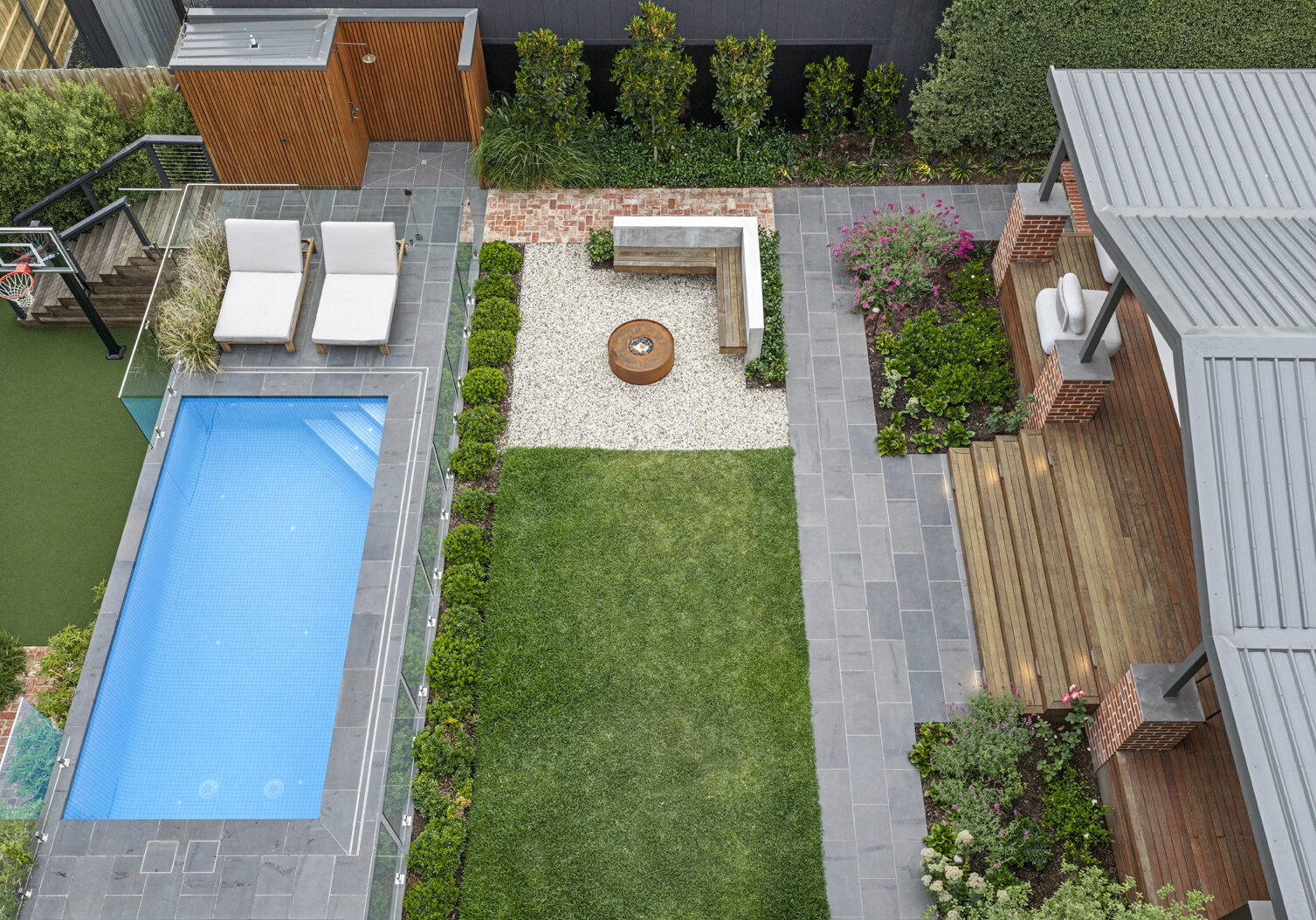

The Landscape Design Process: From Initial Concept to Completed Garden July 27, 2026
Understanding the Landscape Design Process.
Creating a beautiful outdoor space doesn’t happen by chance. Every exceptional garden begins with a carefully considered plan that balances aesthetics, functionality and construction practicality. While many homeowners focus on the finished result, it is the landscape design process that ultimately determines whether a project is successful.
A professionally managed landscape design process ensures every decision is made with purpose. From understanding how you want to use your garden to selecting materials, planning drainage and coordinating construction, each stage contributes to creating a landscape that will perform beautifully for decades.
Whether you’re planning a complete garden renovation, building a new home or upgrading your outdoor entertaining area, understanding the landscape design process will help you appreciate the value of investing in professional landscape design before construction begins.
Why the Landscape Design Process Matters
Many outdoor projects begin with enthusiasm but quickly lose direction because there is no clear plan. Homeowners may choose paving before deciding on drainage, install a pool without considering entertaining spaces or purchase plants that eventually outgrow their intended location.
A structured landscape design process eliminates these problems by considering the entire site before construction begins.
Professional landscape design provides:
- A clear vision for the finished garden
- Better use of available space
- Accurate construction planning
- Improved project budgeting
- Better coordination between trades
- Fewer changes during construction
- A more cohesive finished landscape
Investing time in the planning stage almost always saves money, time and stress during landscape construction.
Stage One: Initial Consultation – Understanding Your Lifestyle
Every successful landscape begins with understanding how you intend to use the space.
A professional landscape designer will discuss questions such as:
- How do you entertain?
- Do you have children or pets?
- Would you like a swimming pool?
- Is low maintenance important?
- Do you require privacy?
- What architectural style is your home?
These conversations form the foundation of the design.
Rather than designing a garden that simply looks attractive, the goal is to create an outdoor environment that genuinely improves everyday living.
Stage Two: Site Analysis
Before drawing the first concept, a detailed assessment of the property is essential.
Every site presents unique opportunities and constraints that influence the design.
Important factors include:
- Existing levels
- Drainage
- Soil conditions
- Orientation
- Sun and shade
- Prevailing winds
- Existing vegetation
- Views to retain or screen
- Access for construction
Understanding these conditions early allows the design to work with the site instead of against it.
Stage Three: Developing the Concept
This is where ideas begin to take shape.
The concept design establishes the overall layout of the garden, including:
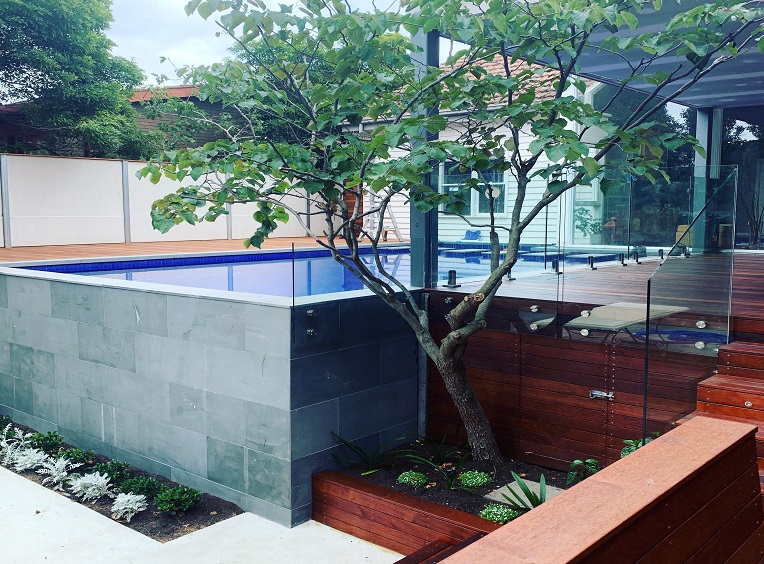
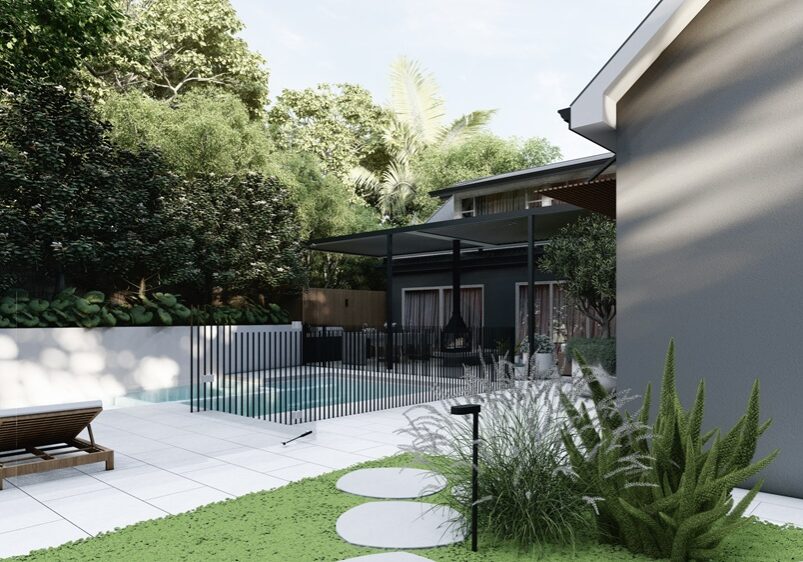
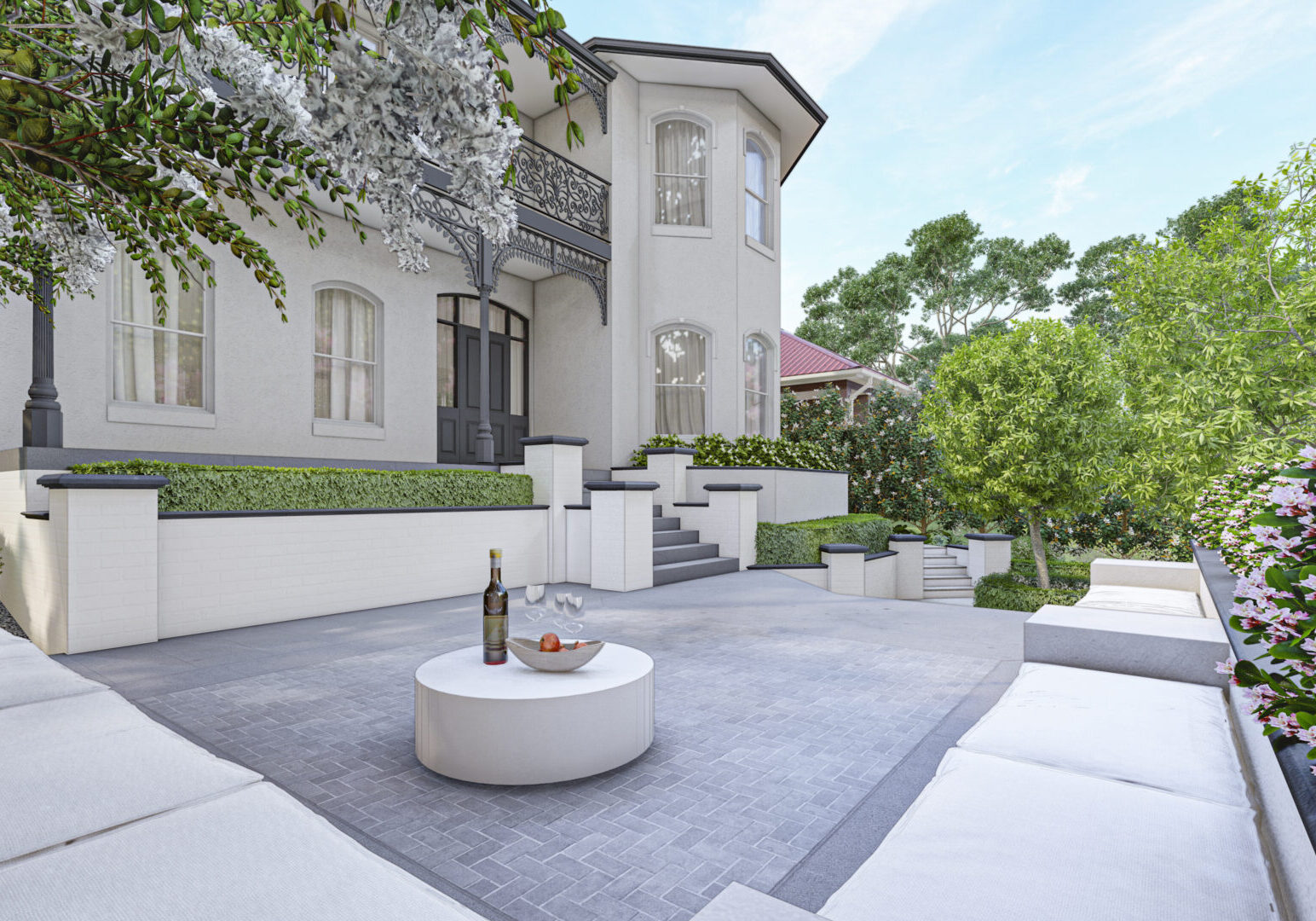
- Outdoor entertaining areas
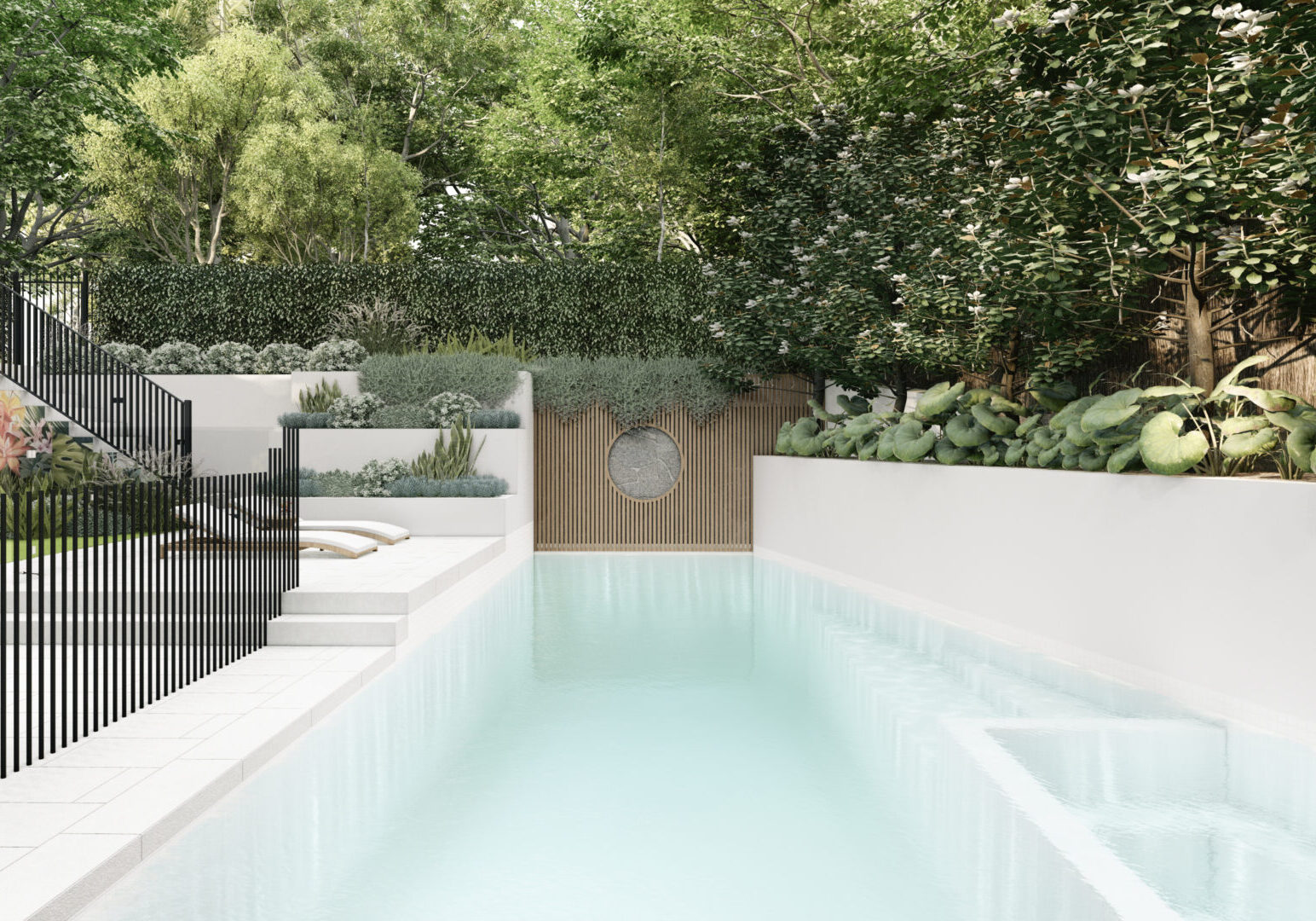
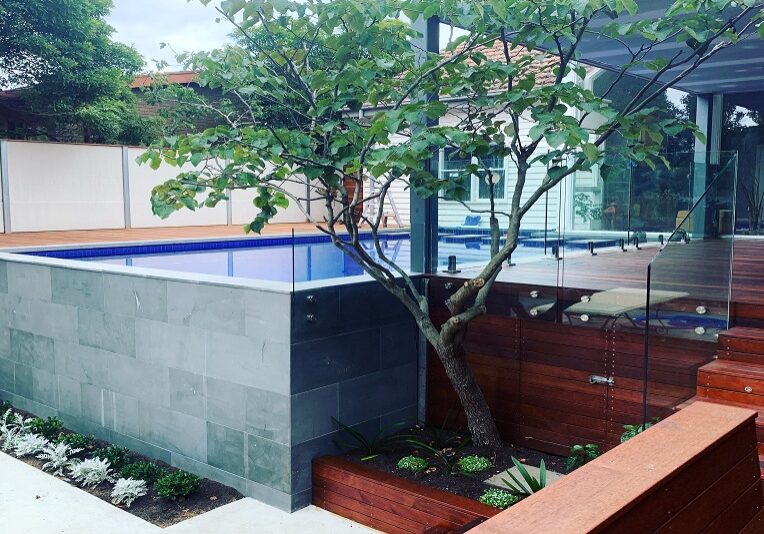
- Swimming pools
- Lawns
- Garden beds
- Pathways
- Retaining walls
- Feature trees
- Outdoor kitchens
- Pergolas
- Fire pits
At this stage, designers focus on spatial relationships rather than construction details.
The objective is to create a layout that feels balanced, functional and connected to the home.
Stage Four: Selecting Materials
Material selection has a significant influence on both appearance and durability.
Modern landscape design often relies on a restrained palette of complementary materials that create a cohesive outdoor environment.
Popular materials include:
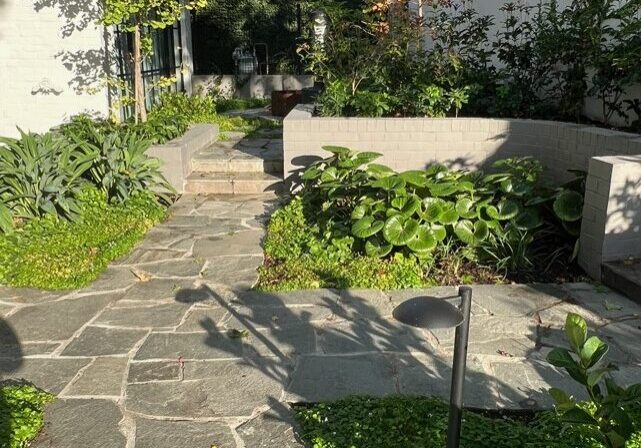
- Natural stone
- Porcelain paving
- Architectural concrete
- Timber
- Steel
- Rendered masonry
Choosing fewer, higher-quality materials generally produces a more timeless result than combining numerous finishes.
Stage Five: Planting Design
Planting is much more than filling empty spaces.
A professionally designed planting plan considers:
- Mature plant size
- Seasonal interest
- Texture
- Colour
- Maintenance
- Climate suitability
- Privacy
- Biodiversity
Rather than selecting dozens of different species, contemporary planting often relies on repetition to create rhythm and visual harmony.
This approach produces gardens that feel calm, sophisticated and easier to maintain.
Stage Six: Construction Documentation
Once the design has been approved, detailed construction documentation is prepared.
These drawings provide the information required for accurate pricing and efficient construction.
They commonly include:
- Set-out plans
- Levels
- Drainage
- Planting plans
- Lighting layouts
- Material schedules
- Construction details
Comprehensive documentation reduces uncertainty and helps ensure the finished landscape reflects the original design.
Stage Seven: Landscape Construction
Once planning is complete, construction can begin with confidence.
Professional landscape construction generally follows a logical sequence.
This may include:
- Site preparation
- Earthworks
- Drainage
- Services
- Retaining walls
- Structural concrete
- Paving
- Decking
- Pergolas
- Pools
- Lighting
- Irrigation
- Planting
Working in the correct order improves efficiency and minimises disruption.
Quality Construction Matters
Even the best design can be undermined by poor workmanship.
Professional landscape construction ensures:
- Accurate levels
- Stable foundations
- Correct drainage
- Precise paving installation
- Durable retaining walls
- Quality finishes
Attention to detail during construction has a significant impact on both longevity and appearance.
Bringing the Garden to Life
Planting is often one of the final stages of construction, but it has an immediate impact on the atmosphere of the landscape.
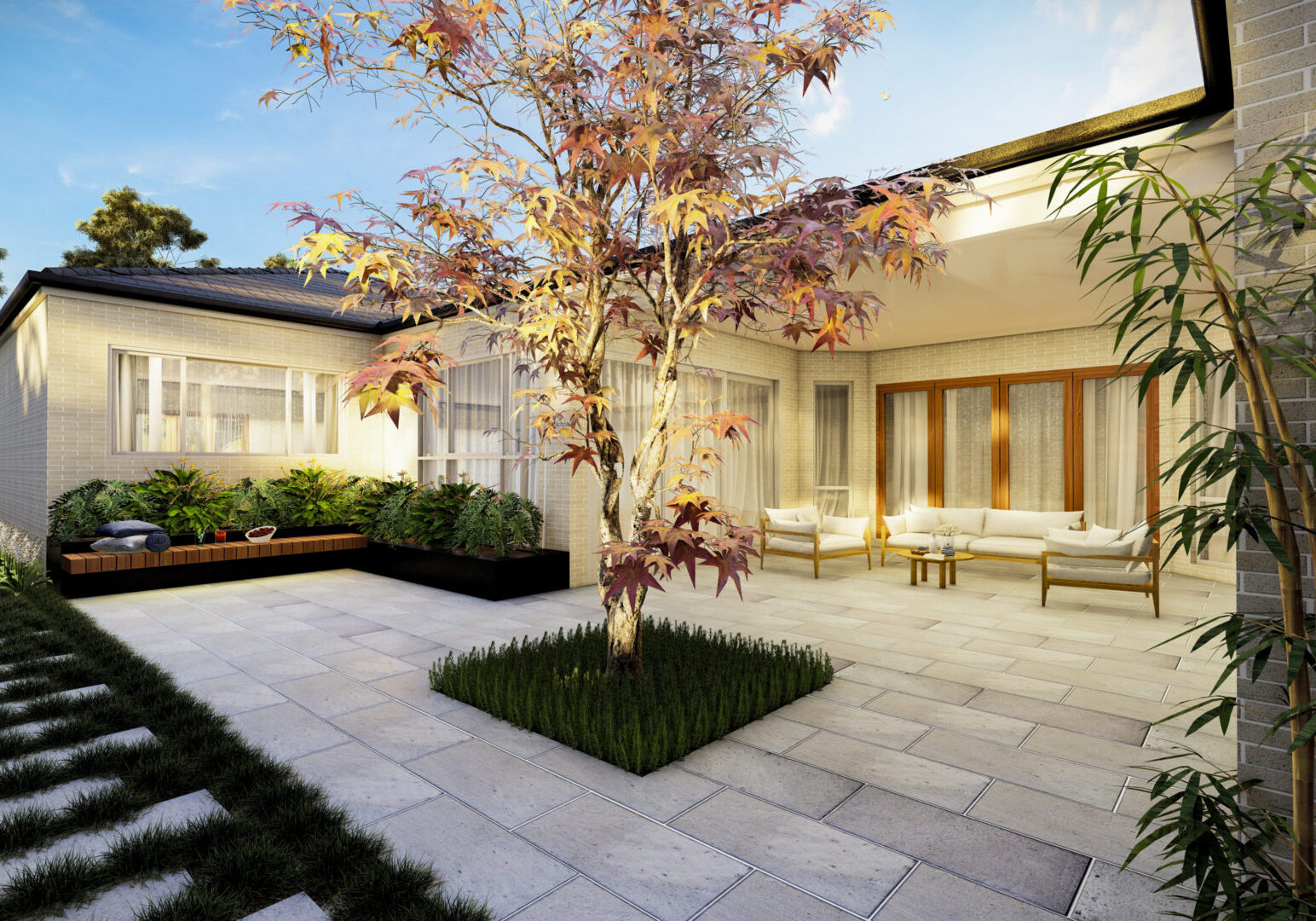
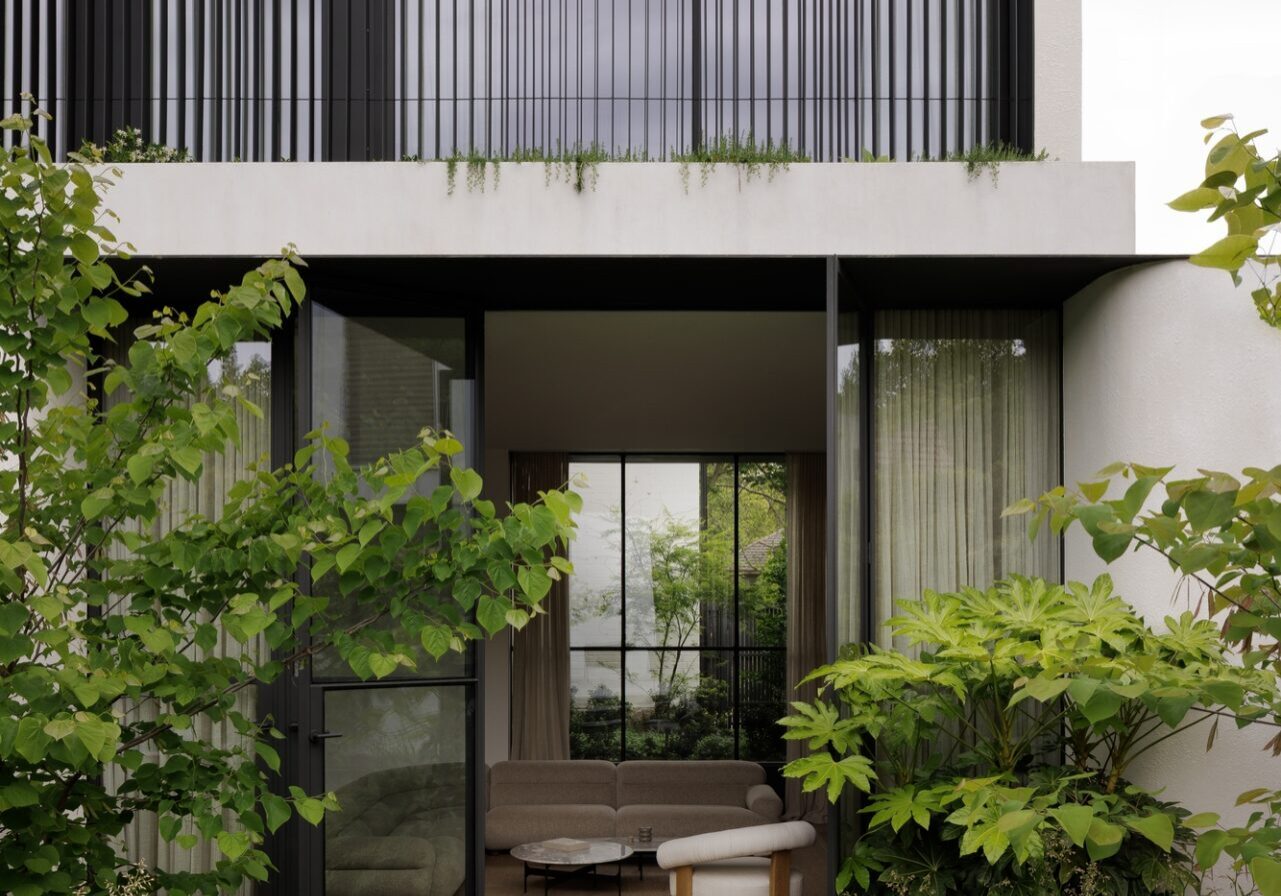
Feature trees establish scale, layered planting softens built structures and groundcovers help integrate hardscape elements.
Although a newly completed landscape looks impressive from day one, it continues to improve as the garden matures.
Common Mistakes Homeowners Make
Many problems encountered during landscape projects can be traced back to skipping the design stage.
Common mistakes include:
- Starting construction without a master plan
- Choosing materials independently
- Ignoring drainage
- Planting oversized species
- Failing to consider maintenance
- Adding features without an overall vision
Professional planning prevents these issues while delivering a more cohesive result.
Why Professional Landscape Design Delivers Better Results
Landscape design is about much more than creating attractive drawings.
It requires an understanding of construction methods, horticulture, engineering, drainage and spatial planning.
Professional designers consider how every element interacts, ensuring the landscape is not only visually appealing but practical, durable and easy to maintain.
This integrated approach is what separates exceptional gardens from those that simply look good for a short period.
Investing in Long-Term Value
A professionally designed and constructed landscape is one of the most valuable improvements you can make to your property.
Thoughtful landscape design enhances liveability, improves street appeal and creates outdoor spaces that support entertaining, relaxation and family life.
When combined with high-quality landscape construction, the result is a garden that continues to add value both financially and emotionally for many years.
Why Choose Shape and Form?
At Shape and Form, every project begins with a carefully considered design process.
We believe exceptional landscapes are created through thoughtful planning, timeless design and meticulous construction. From the initial consultation through to the final planting, every detail is carefully considered to ensure your outdoor space complements your home and enhances the way you live.
Our integrated approach to landscape design and landscape construction ensures a seamless experience and a finished garden that is both beautiful and enduring.
Ready to Begin Your Landscape Journey?
Whether you’re building a new home or transforming an existing garden, investing in a professional landscape design process provides the foundation for a successful project.
If you’re considering premium landscape design or landscape construction in Melbourne, contact Shape and Form to discuss your vision. Together, we can create an outdoor space that is functional, timeless and designed to be enjoyed for generations.