
Transforming Small Gardens: Innovative Small Garden Landscape Design August 4, 2026
How Can Smart Landscape Design Make a Small Garden Feel Larger?
A small garden doesn’t have to mean limited possibilities. In fact, some of the most impressive outdoor spaces are created on compact sites where every square metre has been carefully considered. Through thoughtful planning, creative thinking and professional landscape design, even the smallest garden can become a beautiful, functional extension of the home.
Whether you’re working with a narrow courtyard, an inner-city backyard or a compact suburban block, the key is to maximise every centimetre while maintaining a sense of openness and balance. Successful small garden landscape design is not about squeezing in as many features as possible. It is about selecting the right elements, simplifying the design and creating spaces that feel generous despite their size.
At Shape and Form, we believe every garden, regardless of its dimensions, has the potential to become a timeless outdoor space that enhances both lifestyle and property value.
Start With a Clear Landscape Design Plan
The biggest mistake homeowners make with small gardens is trying to fit too many ideas into a limited space.
A professional small garden landscape design begins by identifying how the garden will be used. Rather than focusing on individual features, designers first consider functionality, movement and the relationship between the home and the landscape.
Questions to ask include:
- Do you enjoy entertaining?
- Is outdoor dining important?
- Would you like additional privacy?
- Do you need space for children or pets?
- How much maintenance are you willing to undertake?
Answering these questions helps establish priorities and ensures every element contributes to the overall purpose of the garden.
Keep the Design Simple
One of the defining characteristics of exceptional small garden landscape design is restraint.
When too many paving materials, plant species or decorative features are introduced, a compact garden can quickly feel cluttered and visually overwhelming.
Instead, focus on:
- A limited material palette
- Repetition of planting
- Clean architectural lines
- Open sightlines
- Simple detailing
A restrained approach creates a calm and sophisticated landscape while making the space feel considerably larger.
Create Defined Outdoor Rooms
Even in a compact garden, defining different functional areas can improve usability.
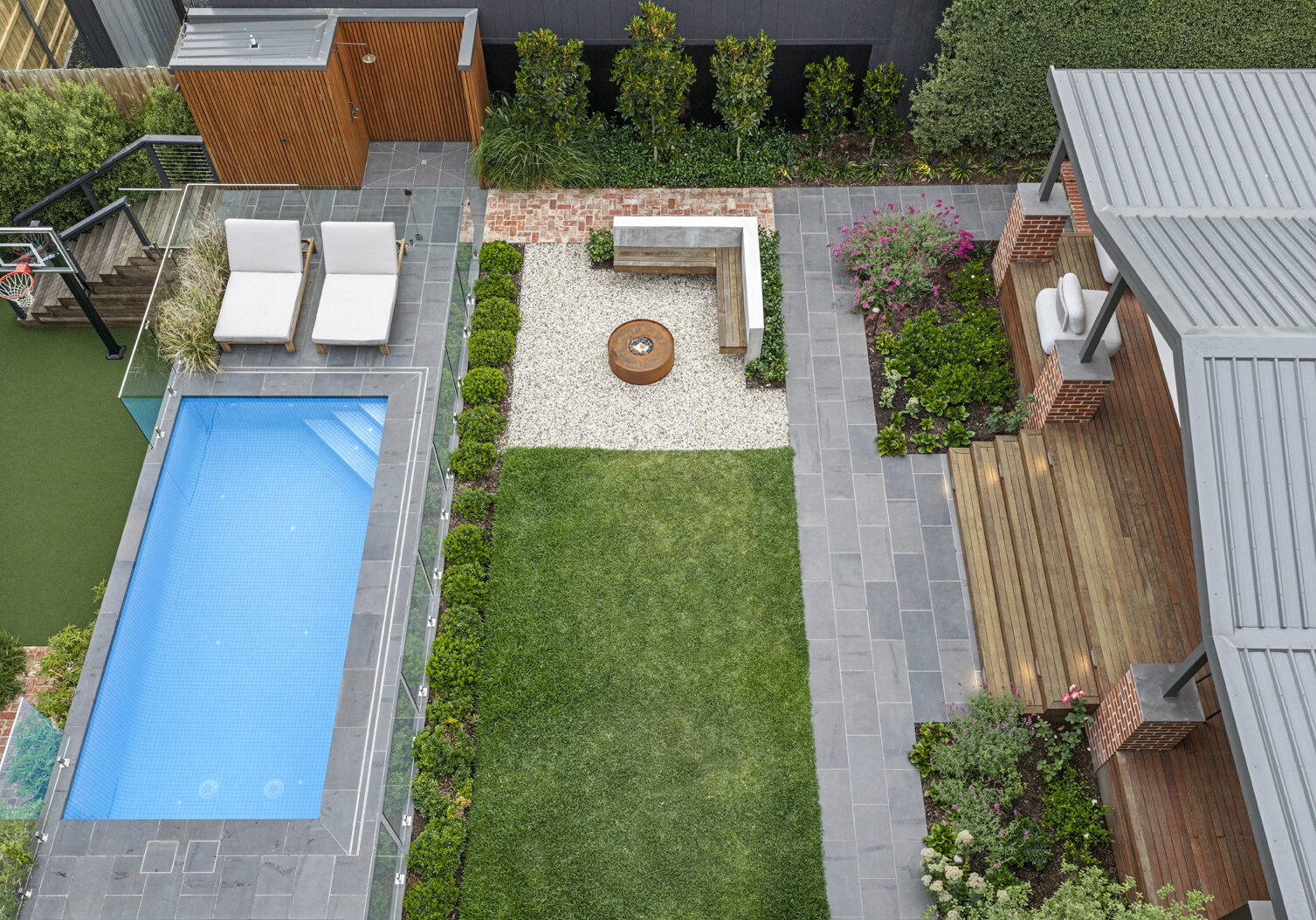
Rather than treating the garden as one open space, divide it into subtle outdoor rooms.
These may include:
- A dining area
- A lounge space
- A small lawn
- A feature planting zone
- A quiet reading corner
The transition between these spaces should feel natural rather than abrupt.
By giving each area a clear purpose, the garden becomes more functional without feeling crowded.
Blur the Boundary Between Indoors and Outdoors
One of the most effective ways to make a small garden feel larger is to create a seamless connection with the home.
Using the same paving material inside and outside, aligning floor levels and installing large sliding or stacking doors helps visually extend the interior into the landscape.
This continuity reduces visual interruptions and creates the impression of a much larger living space.
Modern small garden landscape design often relies on this principle to maximise compact sites.
Use Vertical Space
When ground space is limited, think vertically.
Walls, fences and screens provide opportunities to introduce planting without sacrificing valuable floor area.
Vertical landscape solutions include:
- Green walls
- Climbing plants
- Wall-mounted planters
- Espalier trees
- Decorative screens with integrated planting
These features soften boundaries while adding texture and greenery to the landscape.
Select Plants Carefully
Plant selection is particularly important in small gardens.
Rather than filling every available space with different species, choose plants that provide year-round structure and complement the overall design.
Consider:
- Evergreen shrubs
- Architectural grasses
- Feature trees with controlled canopies
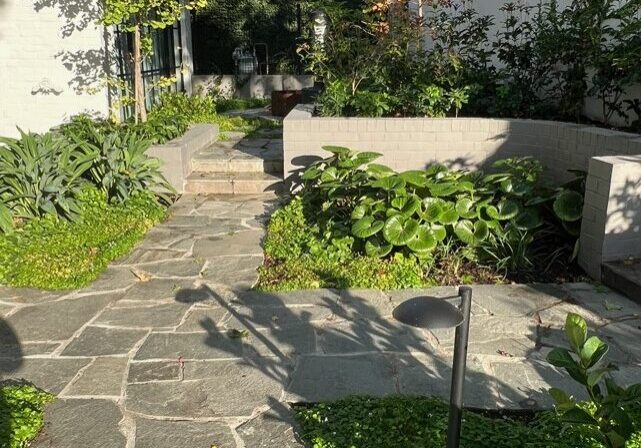
- Groundcovers
- Climbers
- Low-maintenance perennials
Repeating plant species throughout the landscape creates rhythm and consistency while making the garden feel more cohesive.
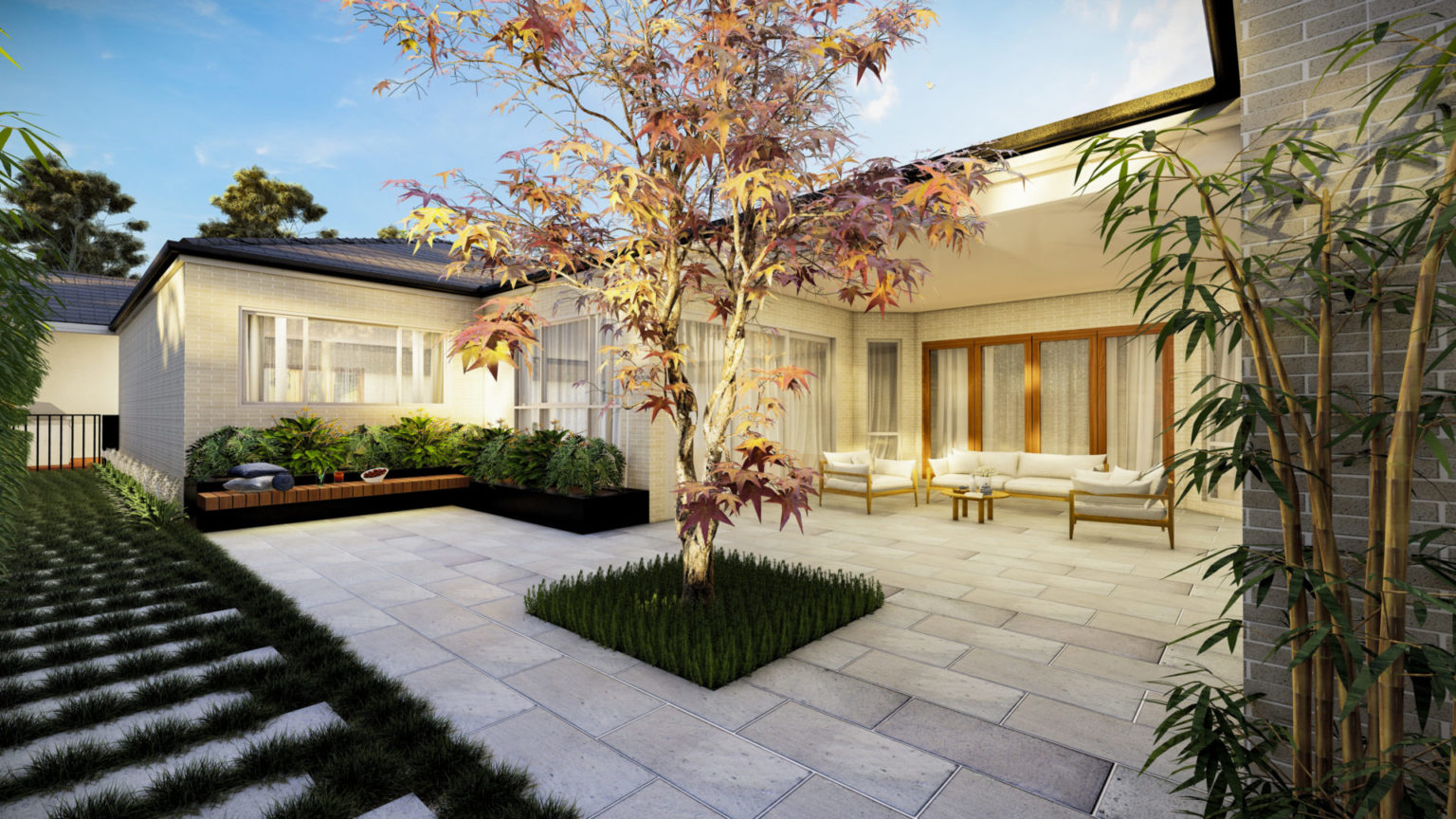
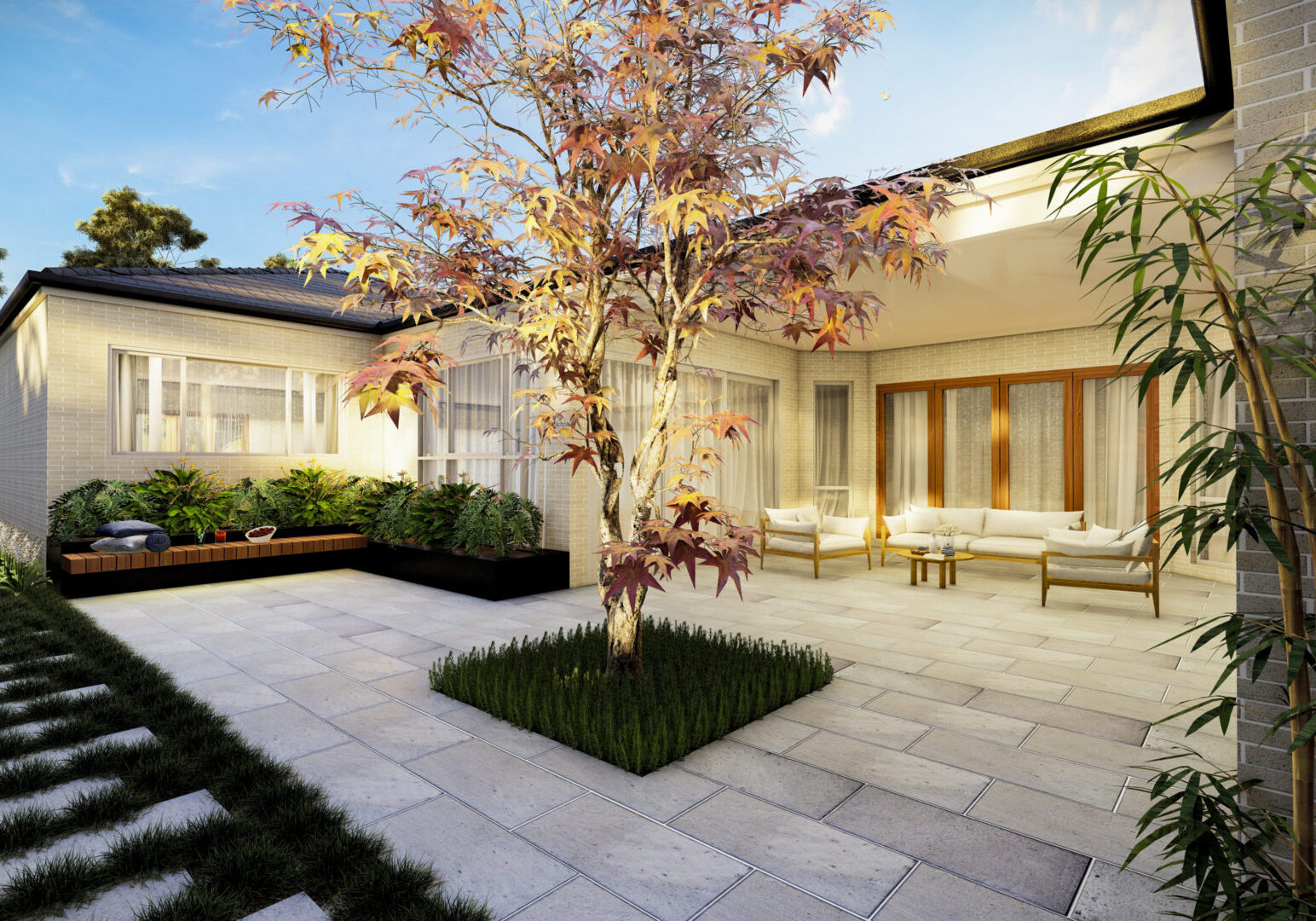
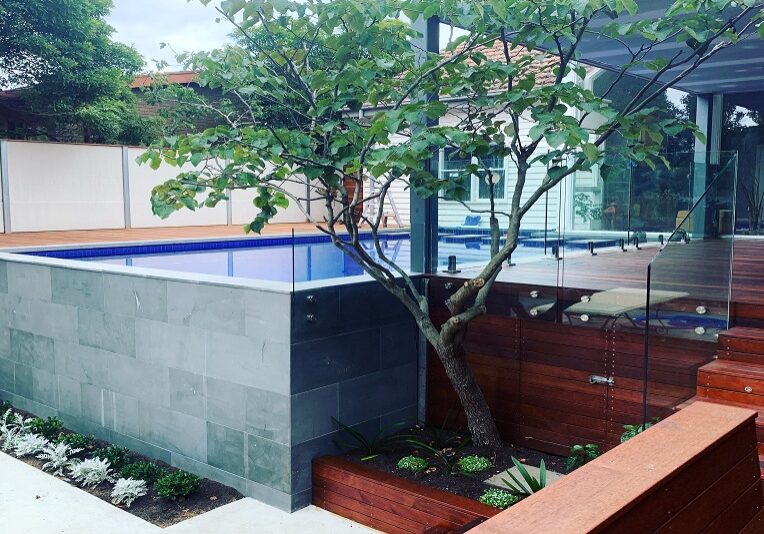
Include a Feature Tree
Many homeowners assume their garden is too small for a tree.
However, a carefully selected feature tree often becomes the focal point of a compact landscape.
A sculptural tree introduces:
- Vertical interest
- Seasonal change
- Shade
- Structure
- Scale
Positioned correctly, it draws the eye upward and creates the illusion of greater depth.
Choose Premium Materials
Small gardens often benefit from investing in higher-quality materials.
Because the overall area is smaller, homeowners can often afford premium finishes that may be impractical on larger projects.
Popular choices include:
- Natural stone paving
- Porcelain tiles
- Architectural concrete
- Hardwood decking
- Feature stone walls
Using a limited range of quality materials creates a timeless appearance while reinforcing the sense of luxury.
Make Every Hardscape Element Count
Hardscaping plays a significant role in small garden landscape design.
Every pathway, retaining wall, bench seat and paved area should serve multiple purposes.
For example:
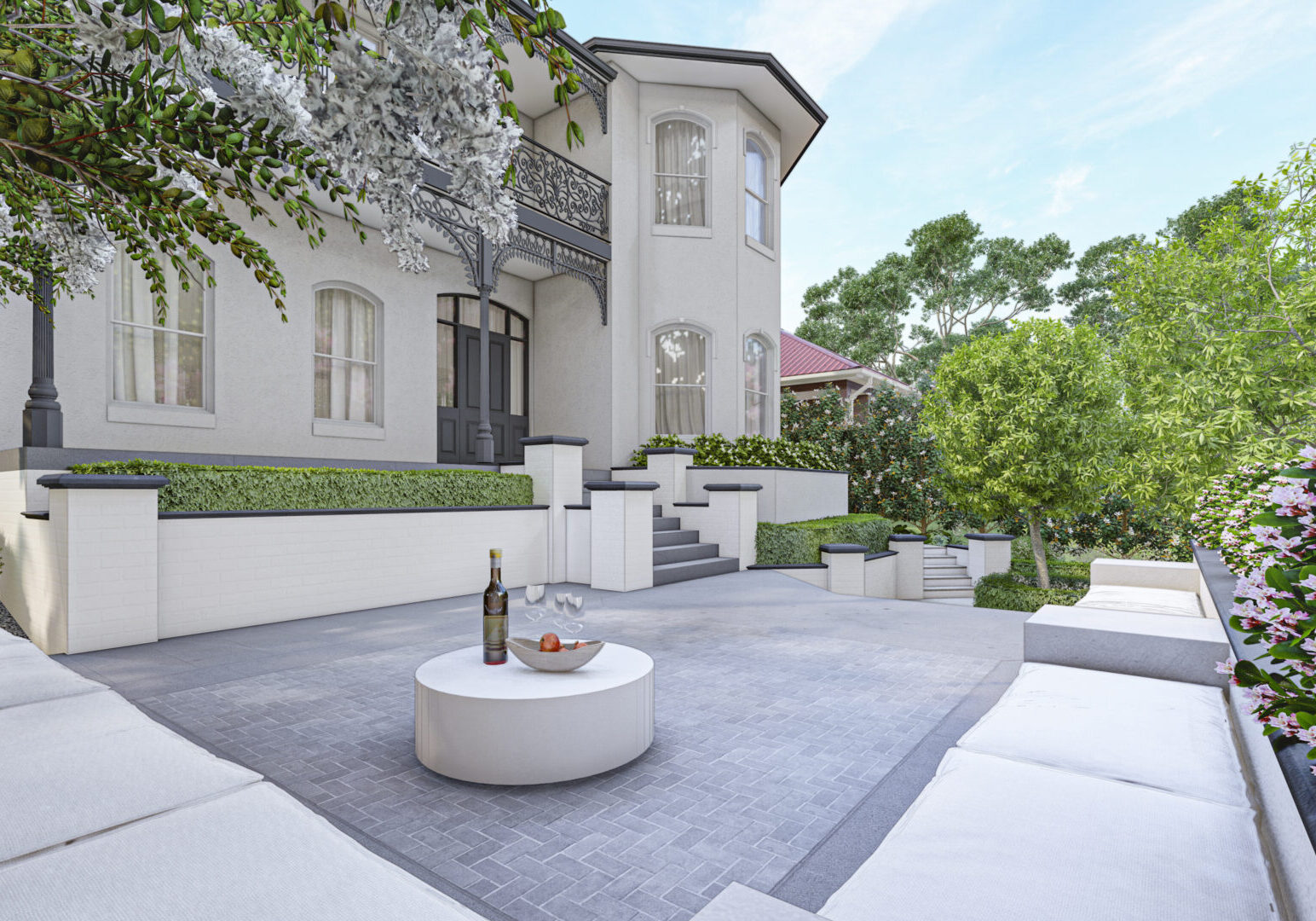
- Retaining walls can become seating.
- Decks can double as entertaining spaces.
- Planter boxes can define outdoor rooms.
- Steps can incorporate lighting.
Multifunctional design allows compact gardens to perform far beyond their physical size.
Incorporate Built-In Seating
Freestanding outdoor furniture often occupies valuable space.
Built-in seating creates a cleaner appearance while maximising functionality.
Integrated seating can be incorporated into:
- Retaining walls
- Timber decks
- Planter boxes
- Fire pit areas
- Courtyards
This approach reduces clutter and creates a more permanent, architectural feel.
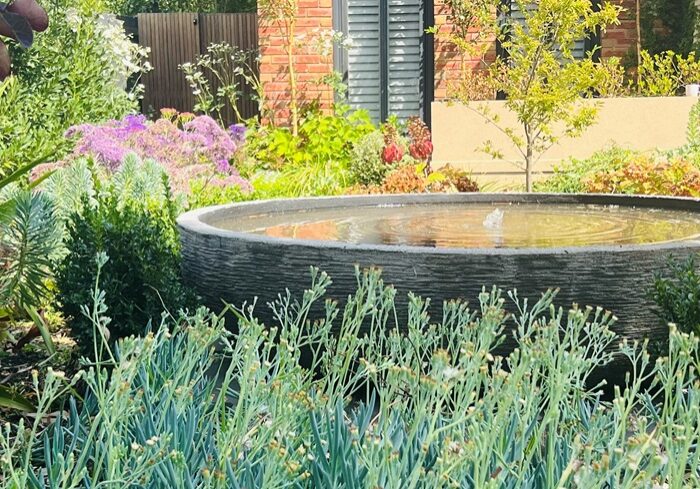
Introduce Water Carefully
A well-designed water feature can transform a small garden by introducing movement and sound.
Rather than large ponds, compact landscapes often benefit from:
- Reflection bowls
- Contemporary water walls
- Narrow ponds
- Bubbling fountains
These features create a calming atmosphere without overwhelming the available space.
Landscape Lighting Makes Small Gardens Feel Bigger
Lighting is one of the most effective ways to enhance a compact garden.
Thoughtfully positioned lighting creates depth by drawing attention to feature planting and architectural elements beyond the immediate foreground.
Popular lighting applications include:
- Path lighting
- Step lighting
- Uplighting feature trees
- Wall lighting
- Deck lighting
- Feature planting illumination
Subtle lighting extends the usability of the garden while making it feel larger after dark.
Add an Outdoor Kitchen or BBQ Area
Even compact gardens can accommodate outdoor entertaining.
A streamlined outdoor kitchen with a built-in barbecue, preparation bench and storage can dramatically improve functionality.
When integrated with seating and planting, it creates a true outdoor room without dominating the landscape.
Privacy Creates Comfort
Small gardens landscape design often share boundaries with neighbouring properties.
Thoughtful privacy solutions help create a sense of seclusion while improving the overall experience.
Options include:
- Evergreen screening plants
- Decorative timber screens
- Slatted fencing
- Feature walls
- Vertical gardens
Privacy should feel natural rather than enclosed.
Layering planting with architectural screening generally achieves the best result.
Think About Scale
Oversized paving, large furniture and excessive planting can make a compact garden feel even smaller.
Professional landscape designers carefully balance the scale of every element.
This includes:
- Plant size
- Tree selection
- Paving dimensions
- Outdoor furniture
- Lighting fixtures
- Garden structures
Correct proportion creates harmony while ensuring the space remains comfortable and functional.
Minimise Maintenance
A small garden should be easy to enjoy.
Low-maintenance landscapes often include:
- Automated irrigation
- Mulched garden beds
- Evergreen planting
- Durable paving
- Minimal lawn
- Drought-tolerant plants
Reducing maintenance allows homeowners to spend more time enjoying their outdoor space rather than maintaining it.
Why Professional Small Garden Landscape Design Makes the Difference
Designing a compact garden requires creativity and experience.
Every decision has a greater impact because space is limited.
Professional landscape designers understand how to:
- Maximise usable space
- Improve circulation
- Select appropriate materials
- Balance planting and hardscape
- Create visual depth
- Integrate lighting
- Enhance privacy
This expertise transforms small gardens into sophisticated outdoor environments that feel far larger than their actual dimensions.
Transform Your Small Garden Into a Stunning Outdoor Retreat
The size of your garden should never limit its potential.
With thoughtful planning, quality materials and intelligent small garden landscape design, even the smallest outdoor space can become a luxurious extension of your home.
At Shape and Form, we specialise in creating contemporary gardens that combine architectural simplicity, practical functionality and timeless beauty. Whether you have a compact courtyard, a narrow suburban backyard or a challenging inner-city site, we design landscapes that maximise every square metre while reflecting the way you live.
Ready to Transform Your Small Garden?
If you’re looking for expert small garden landscape design in Melbourne, Shape and Form can help you unlock the full potential of your outdoor space.
Contact us today to discuss your project and discover how innovative landscape design can transform even the smallest garden into a beautiful and functional outdoor sanctuary.